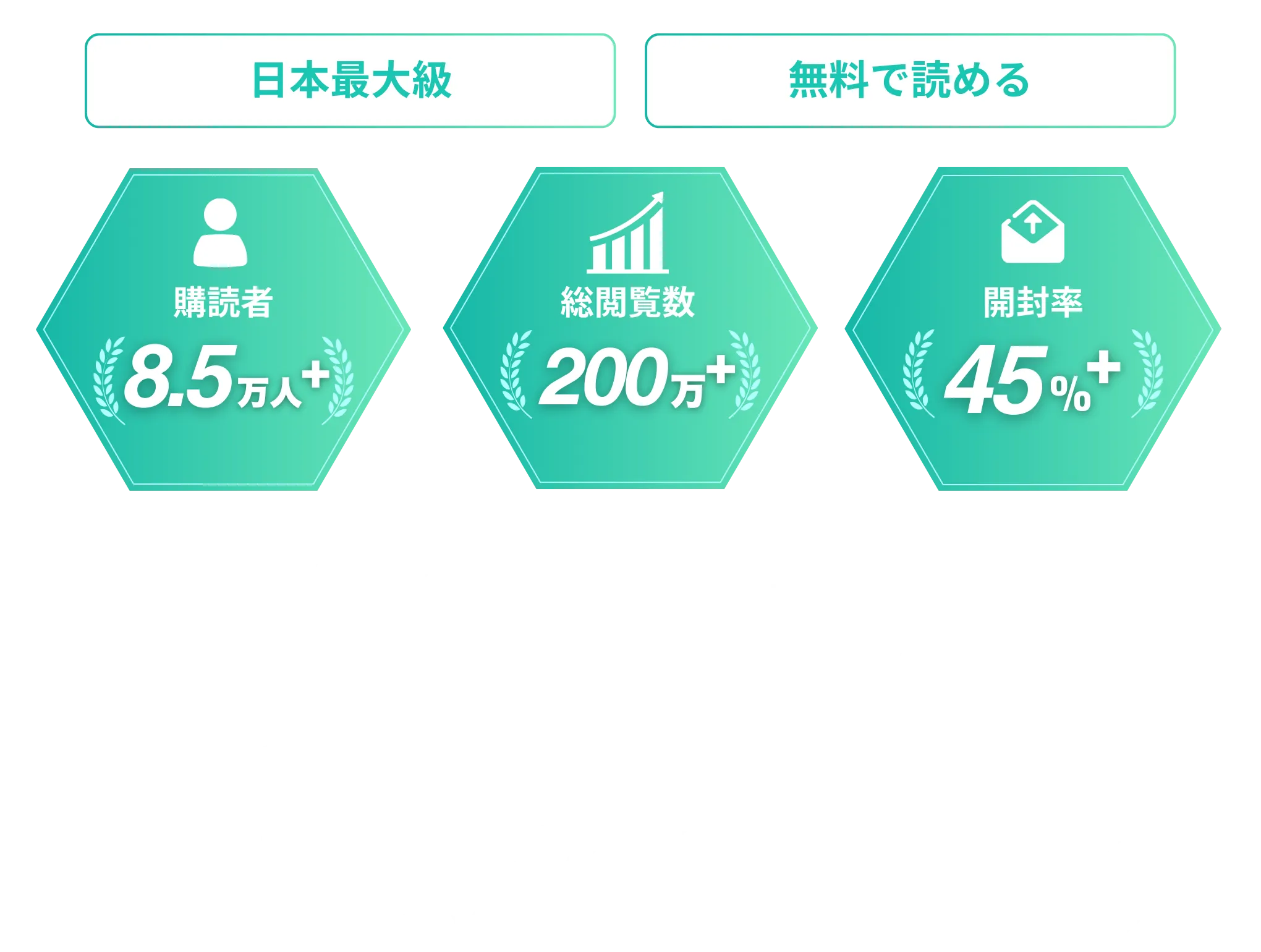
Mavericks, Inc., a developer of advanced AI products, publishes “Mavericks AI News,” one of Japan’s largest AI newsletters with more than 80,000 subscribers, every Monday.
The newsletter is built on the knowledge of specialists working at the front line of AI product development, and it covers only the essential information that translates directly into day-to-day work.
”Mavericks AI News,” one of Japan’s most widely read AI newsletters
Mavericks, Inc., the developer of NoLang, Japan’s first video generation AI, selects the most important news about generative AI and sends it out every Monday. Registering an email address is all it takes to read it free of charge each week.
Mavericks is a product-out AI startup, a rare model in Japan. NoLang, its generative AI product, reached more than 150,000 registered users and over 60 corporate customers within a year of launch.
“Mavericks AI News” filters that flow of information through the perspective of a team building AI products, starting with the video generation AI NoLang, and keeps only what is genuinely useful in practice. It goes beyond describing technology: each topic comes with original commentary grounded in specialist knowledge, so that even readers with no prior AI background can picture how to apply it the next day.
That practical, dependable approach shows in the numbers: the average open rate of “Mavericks AI News” is above 40%.
Inquiries sent through “Mavericks AI News” are also welcome. From help with adopting NoLang to running a proof of concept, AI training programs, and system development tailored to a company’s own challenges, the Mavericks team working at the front line of AI development responds directly. Feel free to get in touch.
Subscribe hereHighlights from this week’s issue (November 10)
Here is a short look at the topics covered in the latest issue, delivered on November 10.
Feature 1: Manus changes what AI slide generation can do by importing your own design
“AI slide generators are certainly convenient, but the designs never match the slides I normally build in PowerPoint.”
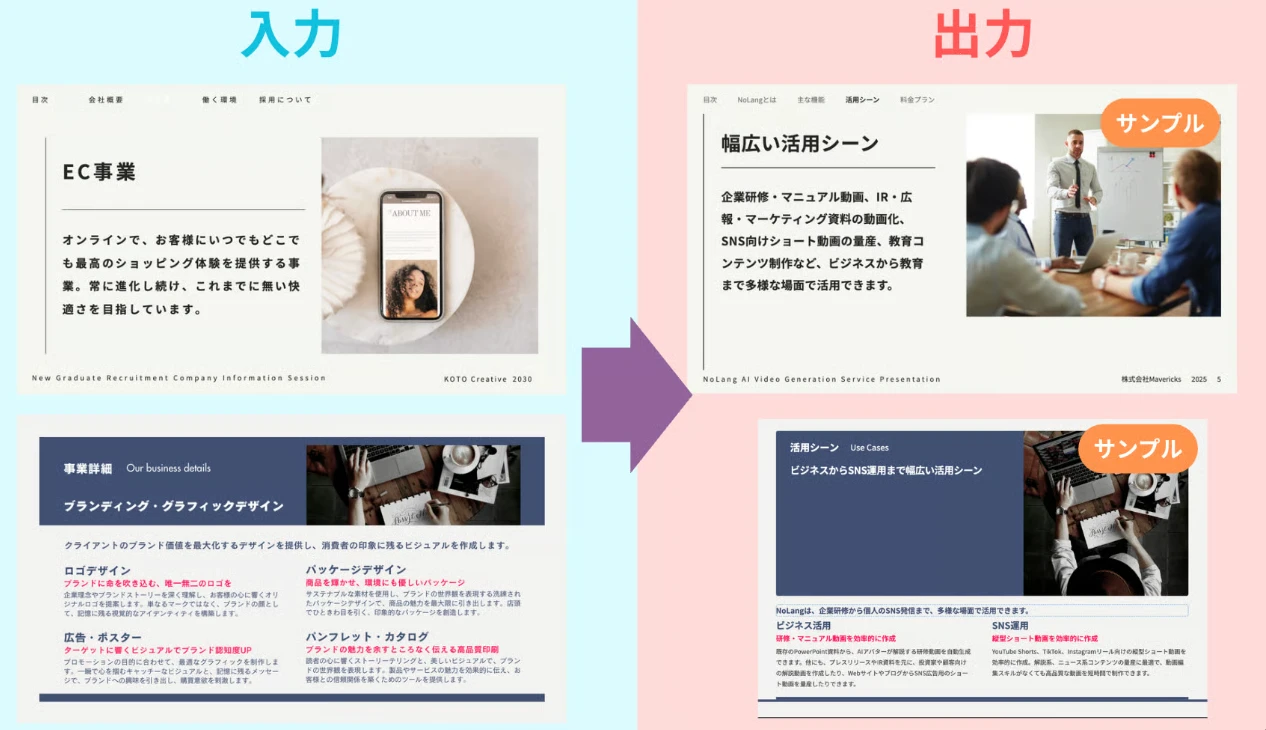
Manus, a general-purpose AI agent, has released a feature that solves this problem faced by many users of AI-generated slides. An existing PowerPoint deck can be imported and saved as a template inside Manus, which means slides can now be generated by AI in the design a person or a company already uses every day. The issue reports on how well this works and how to apply it, generating slides at speed in a design that still looks like your own.
Feature 2: Editing AI images like PowerPoint slides — Lovart’s “editable” image conversion
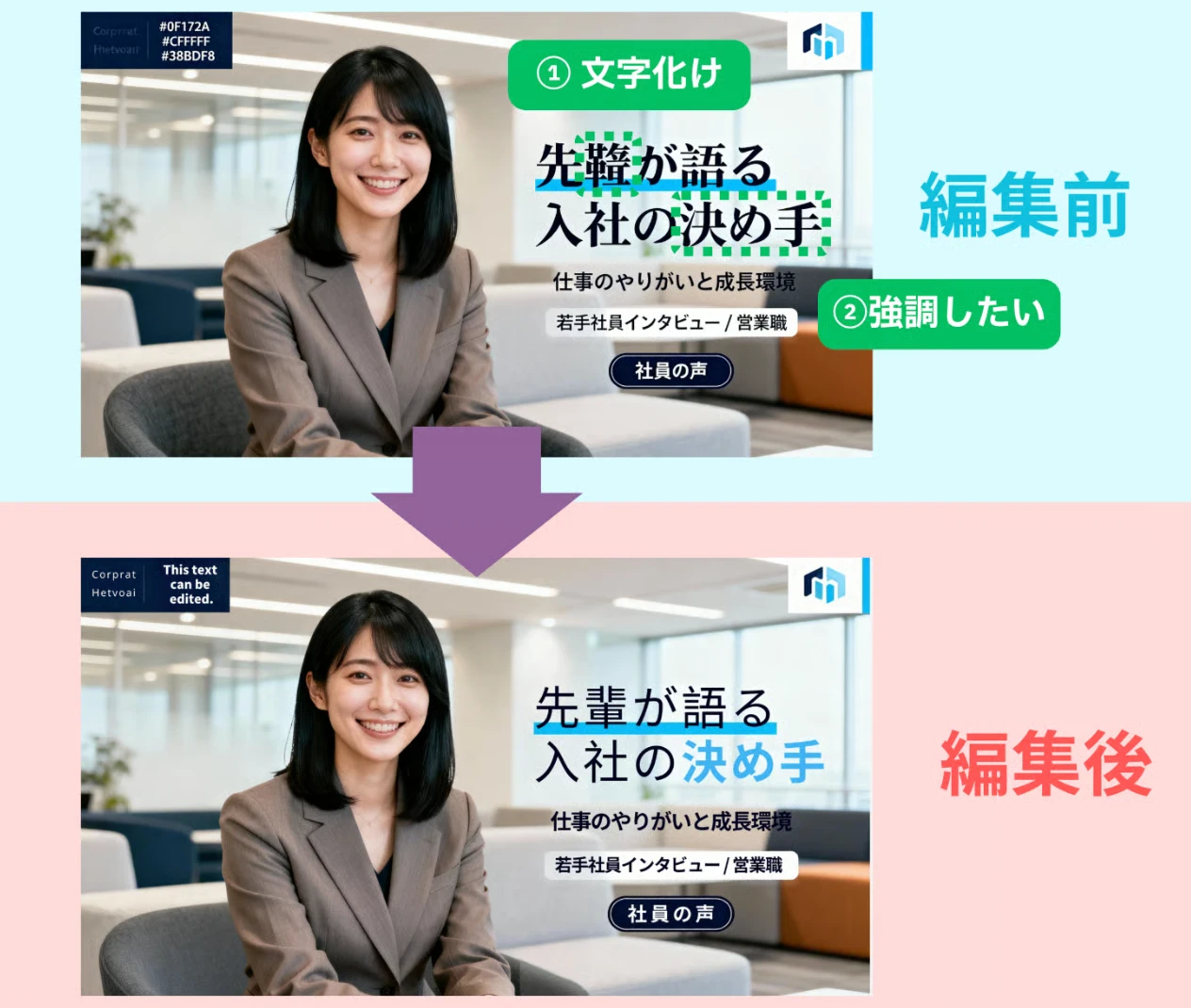
“Image generation AI can produce a poster or a diagram that looks about right, but there is no way to make small corrections and the text often comes out garbled, so it is hard to use for real work.”
A way out of this fundamental problem is finally coming into view. Lovart, a design production support tool, has released a feature that analyzes an image and separates it into layers, converting it into an editable form. The issue itself shows the feature in action.
Feature 3: Google Maps becomes a smart passenger with conversational, Gemini-powered directions
Google has announced a major expansion of the AI features in Google Maps, including hands-free conversation with Gemini while driving. The experience is close to having a friend who is good at searching sitting in the passenger seat, answering questions and guiding you to your destination.

After the update, drivers can put a question to Gemini by voice at any time. For example: “Is there a restaurant along the route where I can get reasonably priced pizza? Within five kilometers if possible. Does it have parking?” Searching for nearby shops and digging up the tedious related details can both be handed over. The issue examines this trend of AI dissolving into everyday life.
Looking ahead
As a product-out generative AI startup, Mavericks, Inc. regards giving back to society the knowledge gained from developing advanced products in-house as an important part of its mission. Through “Mavericks AI News,” the company will continue to deliver reliable, practical information to every business professional, developer, and digital transformation lead working to open up the AI era.