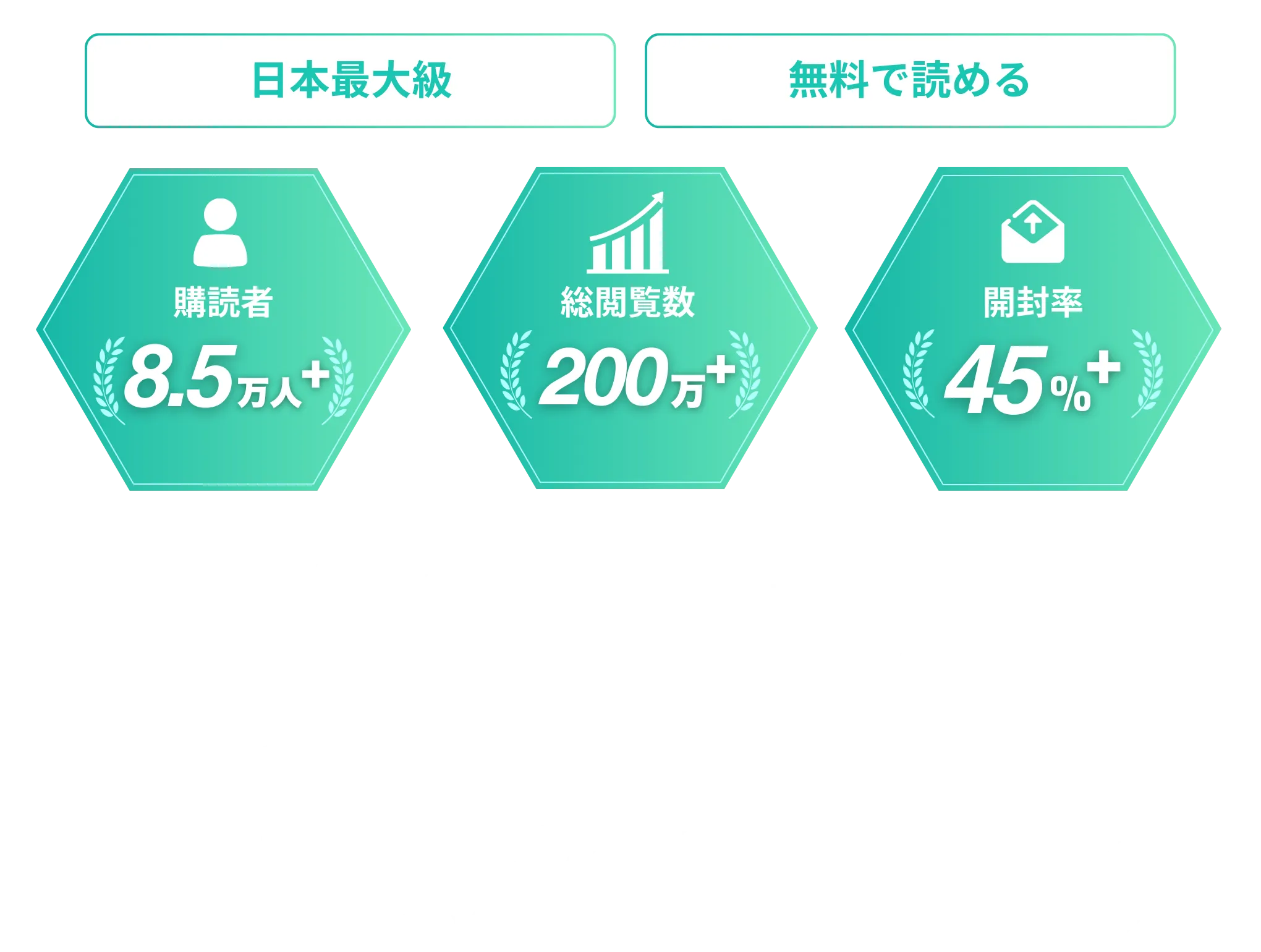
Mavericks, Inc., a developer of advanced AI products, has published the latest issue of “Mavericks AI News,” one of the largest AI newsletters in Japan by subscriber count. The newsletter is curated by a team of AI professionals who build and operate AI products every day, and who filter a vast stream of news down to what matters most: the services the market is genuinely paying attention to right now, and the technologies likely to become tomorrow’s standard. The latest issue covers the most important topics in the AI industry, including the major NoLang update, the performance of Google’s newly released Gemini 3.0 Pro, and the design sensibility of Nano Banana Pro.
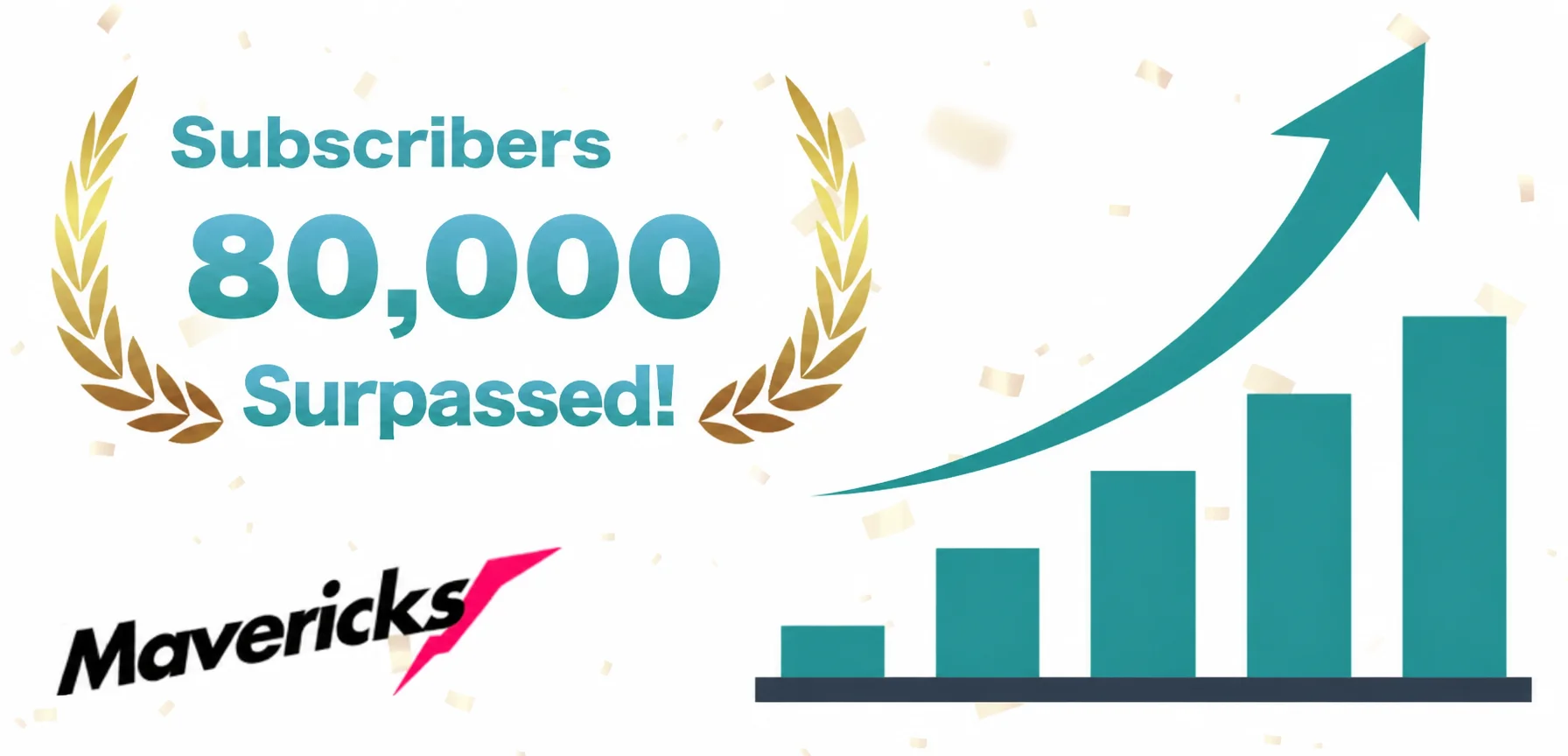
One of Japan’s largest AI newsletters passes 80,000 subscribers, written from the front line of development
Mavericks, Inc. is an AI startup with a strong product development focus, known for the video generation AI “NoLang,” which passed 150,000 registered users and 60 corporate customers within a year of launch. Building and running its own products day after day puts the company in constant contact with both the progress and the problems of AI technology. There are essential insights that only the product development floor can produce, and that outside observation never reveals. To share those insights more widely, Mavericks publishes “Mavericks AI News” every Monday.
Highlights from this week’s issue (published December 1)
Here is a brief look at the topics covered in the latest issue, published on December 1.
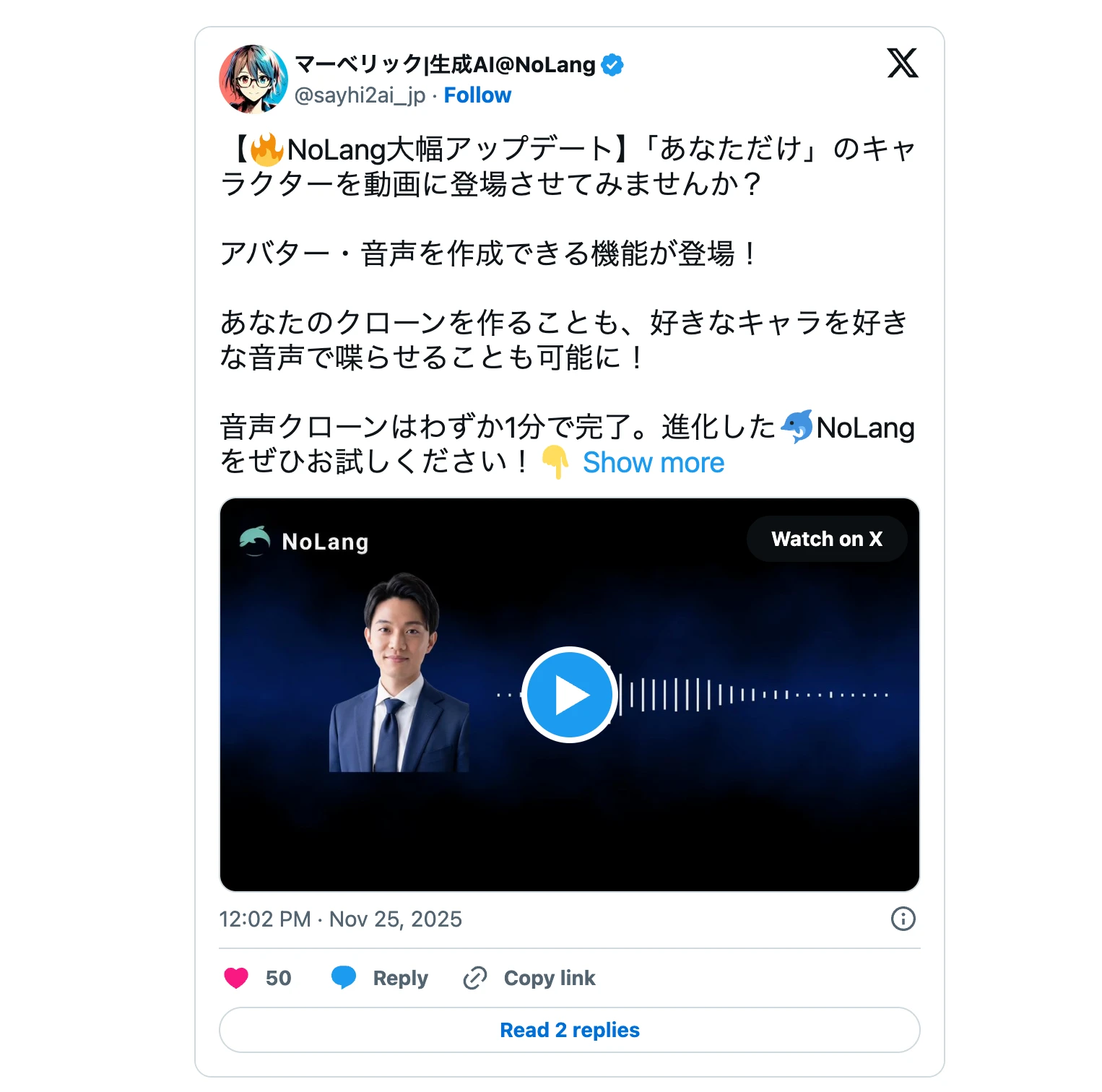
Feature 1: A major NoLang update lets you put a character that is uniquely yours into your videos
NoLang has received a major update that lets users create their own character and have it appear in a video. Users can clone their own voice, or generate an original character from a photograph. The issue walks through the full set of new features that sharply expand creative freedom in video production, including a voice clone that takes only one minute of recording and the steps for generating an avatar from a single photo, along with concrete ways to use them.
Feature 2: Google releases Gemini 3.0 Pro, and “AI-looking design” is over
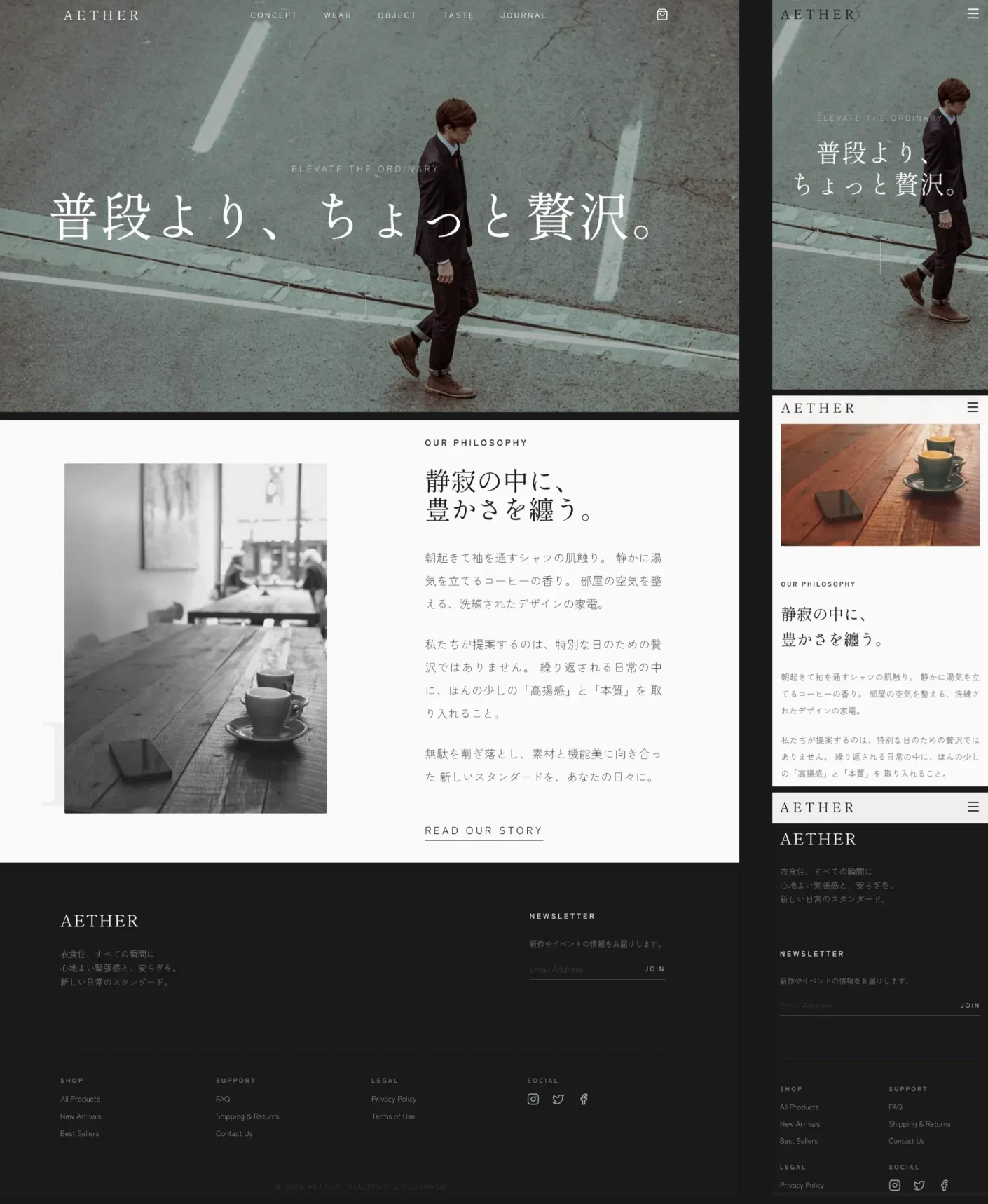
On November 19 and 20 local time, Google released the multimodal AI model “Gemini 3.0 Pro” and the image generation and editing AI model “Nano Banana Pro.” Over the past year, generative AI has advanced at remarkable speed in both multimodal performance and agentic capability. These releases read as the culmination of that progress, with especially clear gains in design work such as web pages, slides and posters. The issue explains three notable points that change how design work is done, including real examples of website generation described as having excellent taste, and stronger agentic capability that runs on its own from requirements definition through implementation.
Feature 3: Google also releases the image generation AI “Nano Banana Pro,” rendering text in images almost perfectly
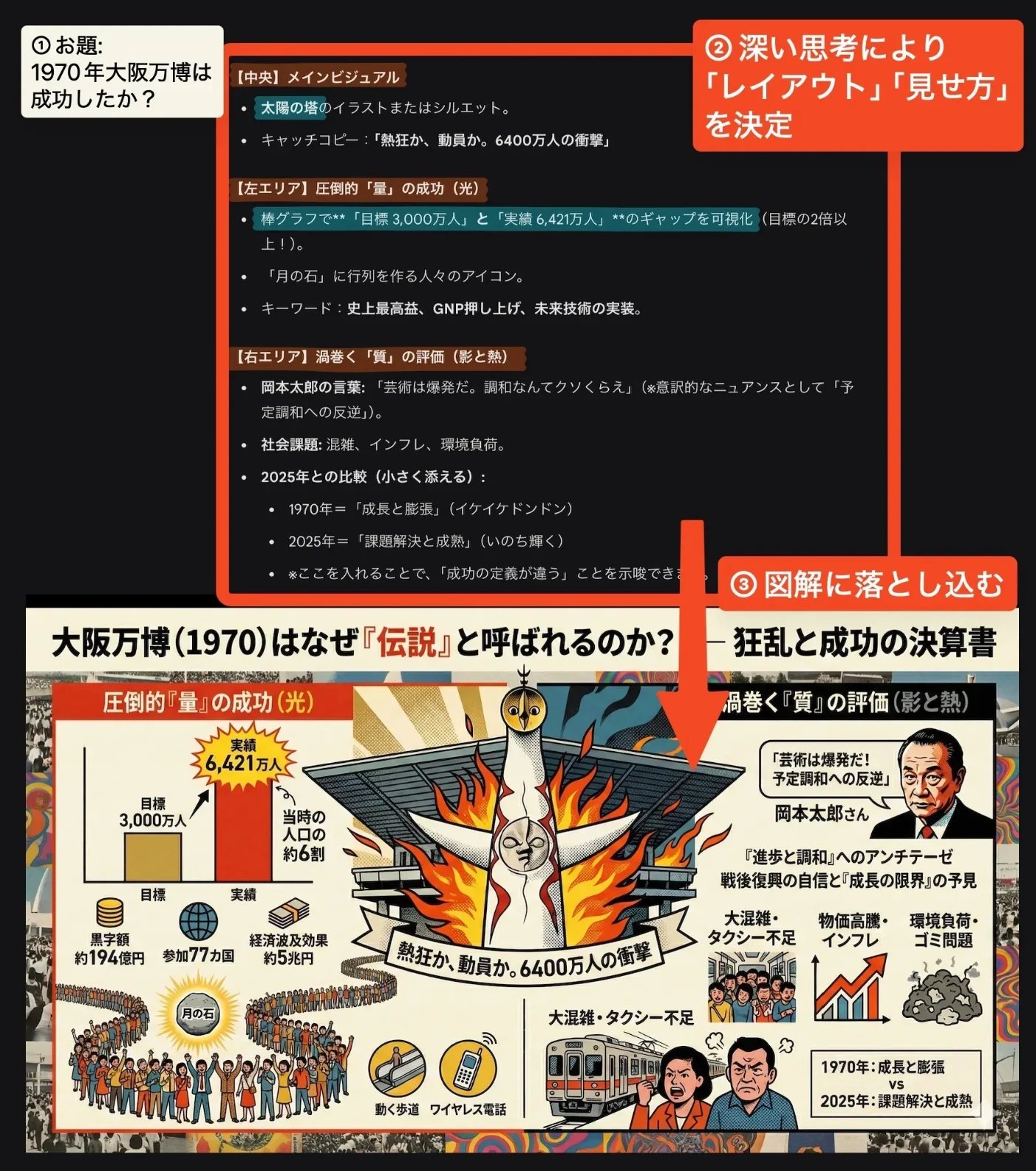
Google shocked the world in March of this year when it released the image generation AI “Nano Banana,” and its successor, the newly released “Nano Banana Pro,” appears to have exceeded what competitors and researchers imagined. The quality of diagrams and posters containing Japanese text is especially striking. The issue digs into its capability as a “thinking image generation AI” that plans layout and color scheme before executing, rather than simply drawing a picture, and into where scaling laws are headed in the AI development race.
Three characteristics of Mavericks AI News
1. Only the essential generative AI information, selected from a developer’s point of view
In a generative AI industry that changes extremely fast, keeping up with information is genuinely hard. “Mavericks AI News” is written by a team of AI professionals who operate the video generation AI “NoLang,” with more than 150,000 registered users and 60 corporate customers, and who deal daily with processing enormous volumes of generation requests, implementing new models immediately, and responding to legal issues. From a vast stream of news, they curate only the most important information: the services the market is genuinely paying attention to right now, and the technologies likely to become tomorrow’s standard.
2. Practical explanations you can use tomorrow, even with no prior knowledge
The newsletter does more than list technical specifications. It adds original, practice-oriented commentary so that readers with no background in AI can picture concretely how a technology could be used in their own work. It is built for busy business people who want to grasp AI trends in the shortest possible time, and catching up on the latest AI news can take as little as one minute.
3. An average open rate above 40 percent, and a scale among the largest in Japan
By delivering information that is practical and reliable, the newsletter has grown past 80,000 subscribers, making it one of the largest in Japan. What stands out is an average open rate above 40 percent. That is an extremely high level compared with the typical open rate for newsletters in the technology and telecommunications sector (about 20.33 percent) and the average across Japan (about 31.75 percent)1, and it reflects the strong support that many business people give to the quality and reliability of the content.
Looking ahead
As a product-out generative AI startup, Mavericks, Inc. regards returning the knowledge gained from its own advanced product development to society as an important part of its mission. Through “Mavericks AI News,” the company will continue to deliver reliable, practical information to every business person, developer and digital transformation lead working to open up the AI era.
Footnotes
-
Source: Benchmark, “Average email open and click rate report (2024 edition): the latest figures by industry and by region (country)” URL: https://www.benchmarkemail.com/jp/email-marketing-benchmarks/ (in Japanese) ↩