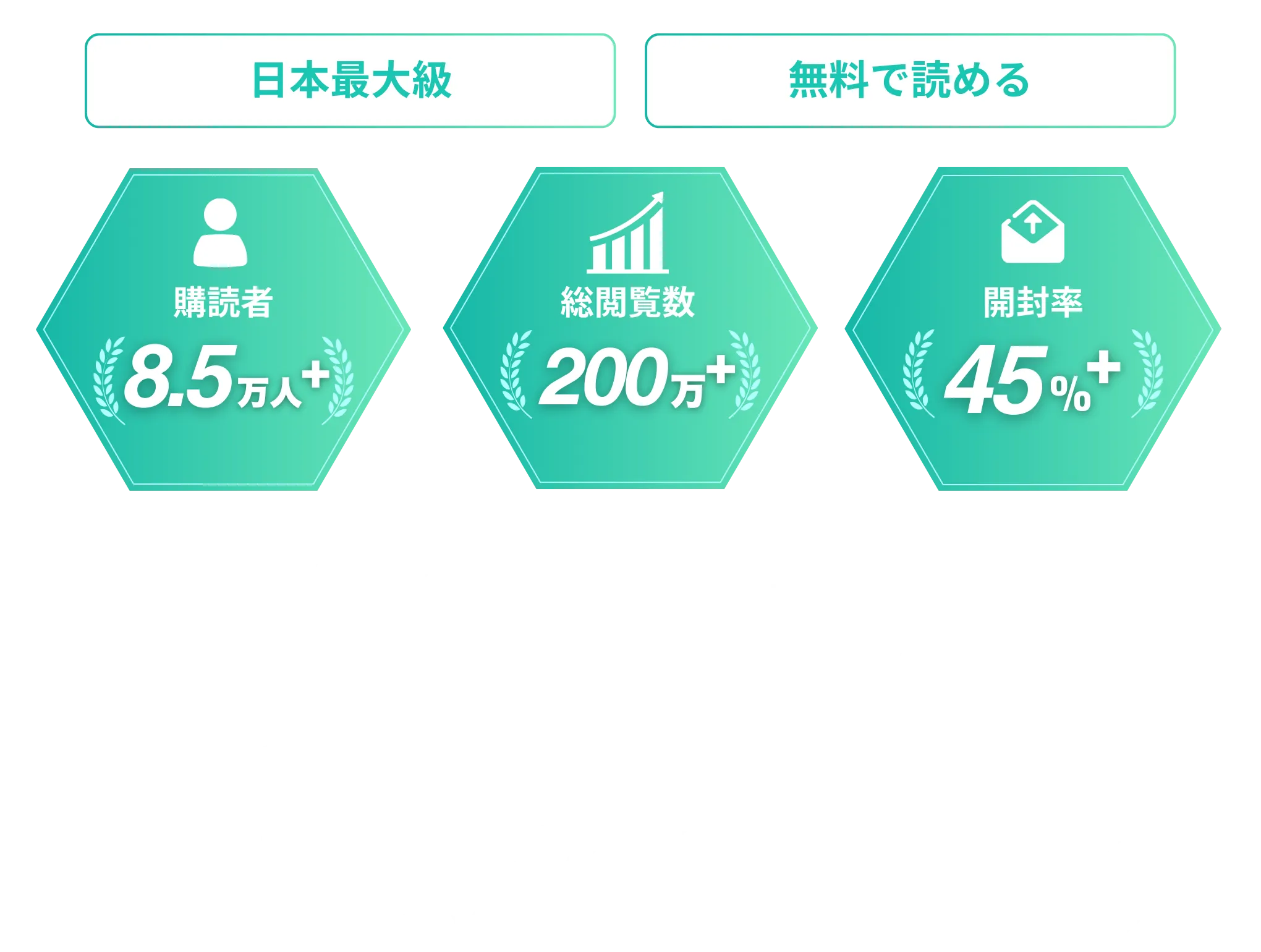
Mavericks, Inc., the Tokyo-based company behind the AI video generation service NoLang and other frontier AI products, has published the latest issue of its generative AI newsletter, Mavericks AI News, distributed in the week of January 19. The newsletter has passed 85,000 subscribers and is one of the largest of its kind in Japan1.
This issue looks at three topics: the impact of Cowork, the new tool for non-engineers announced by Anthropic; the importance of document management as the key to wider adoption of AI agents; and the reasoning behind OpenAI’s decision to bring advertising into ChatGPT as a “last resort.” The commentary comes from an engineering team that works on AI products every day, so it goes beyond a list of features and looks at what AI adoption actually means in day-to-day work.
Mavericks AI News: field knowledge from the team building the AI video generation service NoLang
Mavericks, Inc. is a Japanese startup that offers the generative AI product NoLang. About a year and a half after launch, NoLang has more than 150,000 registered users and has been adopted by over 60 corporate customers, and the team runs its own product on the front line of AI-driven development.
The generative AI industry moves extremely fast. What can generative AI actually do right now, and what is the real substance behind the AI services the market is talking about? Mavericks places weight on the kind of knowledge that only comes from building products, which is not visible from the outside.
For Mavericks AI News, the team working on AI development every day selects the genuinely useful topics out of an enormous volume of information. Each issue is sent out every Monday with original commentary, written so that readers with no background in AI can picture how to apply it starting tomorrow.
Subscribe hereHighlights from this week’s issue (distributed January 19)
Feature 1: Anthropic releases Cowork, a tool for non-engineers, opening the era of AI that helps like a colleague
Anthropic has released Cowork, a new tool that adapts Claude Code, the coding AI known for its remarkable autonomy, for people who are not engineers. Where earlier generative AI waited for instructions, Cowork works out a plan for completing a task with you, much like a colleague, and refines the output by asking questions along the way.
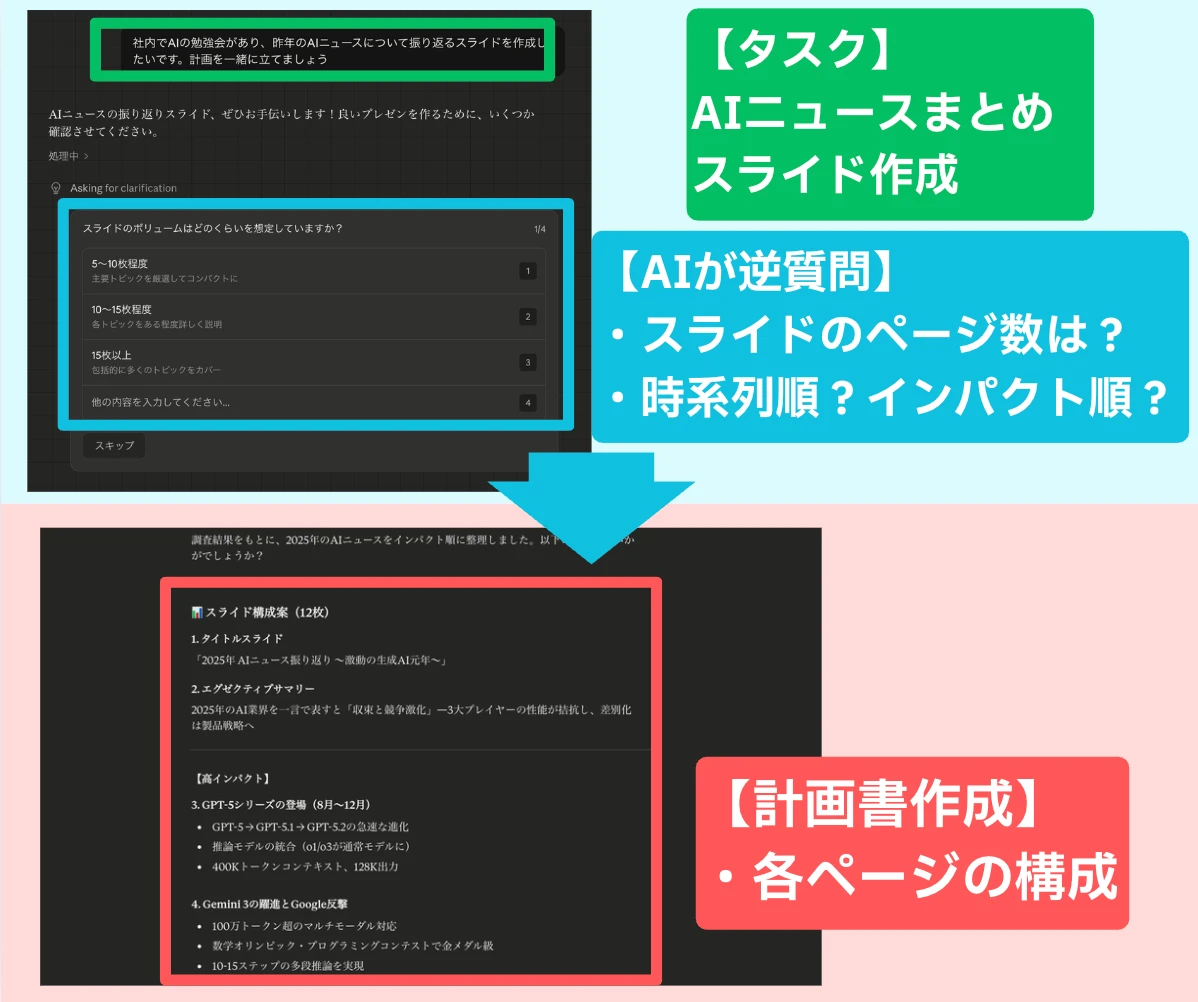
It connects seamlessly to folders on your PC and, through MCP (Model Context Protocol), to outside services such as Google Drive and Notion. It can generate PowerPoint slides at a genuine design standard, and holds real potential to speed up everyday work.
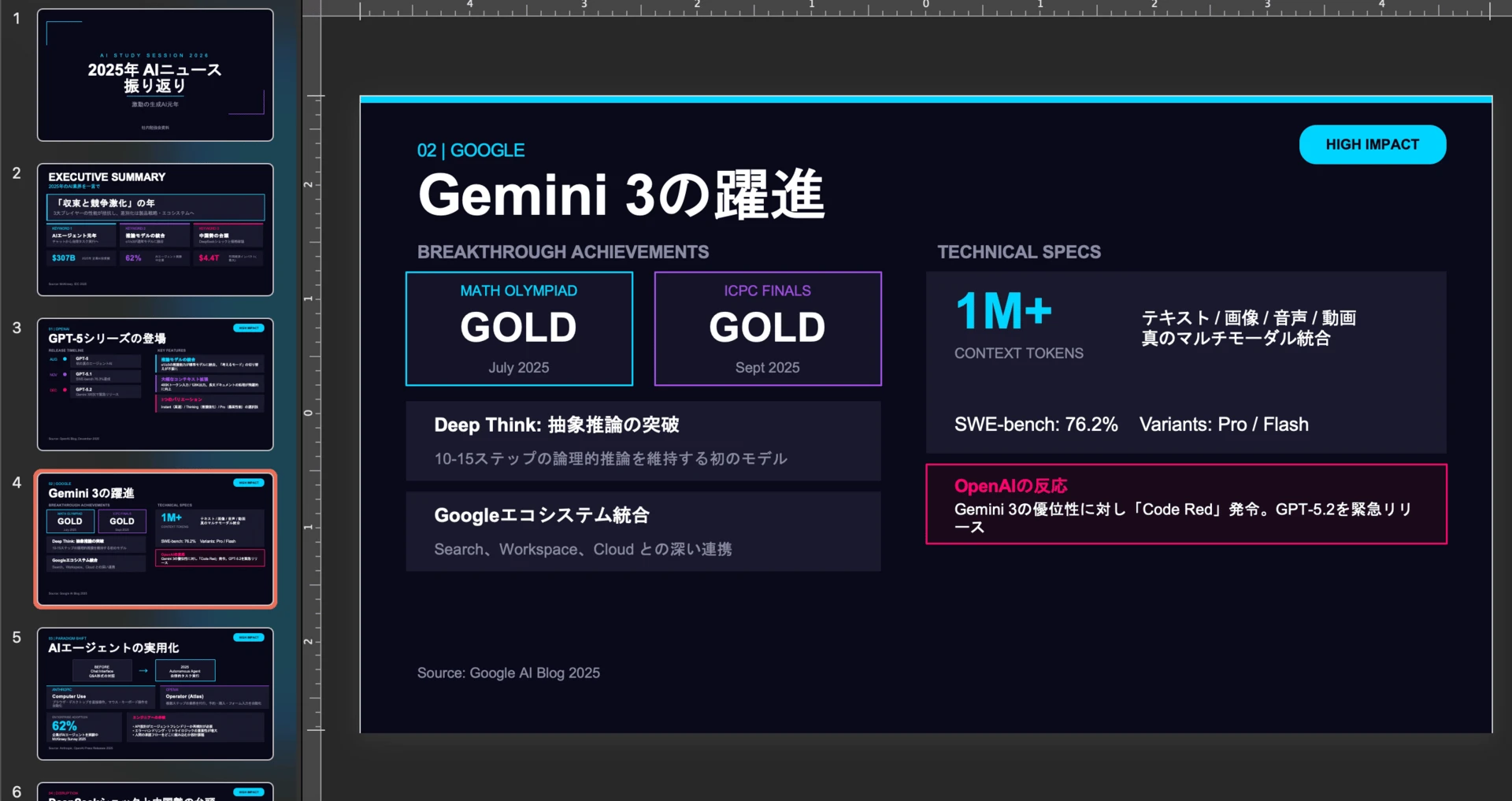
Feature 2: Why are AI agents still far from “AGI” outside engineering? The key is document management
Even with advanced tools like Cowork available, a significant barrier remains to using AI outside engineering. In this issue, the NoLang development team argues that the bottleneck is document management. For AI to show its full ability, organizations need the same conditions found in engineering, where organizing information, or refactoring it, is part of the culture.
Feature 3: ChatGPT finally moves to advertising. What is OpenAI aiming for with its “last resort”?
OpenAI has announced that it will begin testing advertising in ChatGPT. With paid users accounting for most of its revenue, the decision to monetize free users marks an important strategic shift as the traffic contest with Gemini intensifies. The issue examines the new shape of the user experience that follows, in which purchases and payments are completed inside the AI chat itself, while OpenAI states that it will maintain “independence of answers” and “protection of privacy.”

Looking ahead
As a product-out generative AI startup, Mavericks, Inc. considers it an important part of its mission to return the knowledge gained from its own advanced product development to society. Through Mavericks AI News, the company will continue to publish reliable, practical information for every business professional, developer and digital transformation lead working through the age of AI.
Footnotes
-
Scale as a newsletter specializing in generative AI in Japan (based on Mavericks, Inc.’s own research) ↩