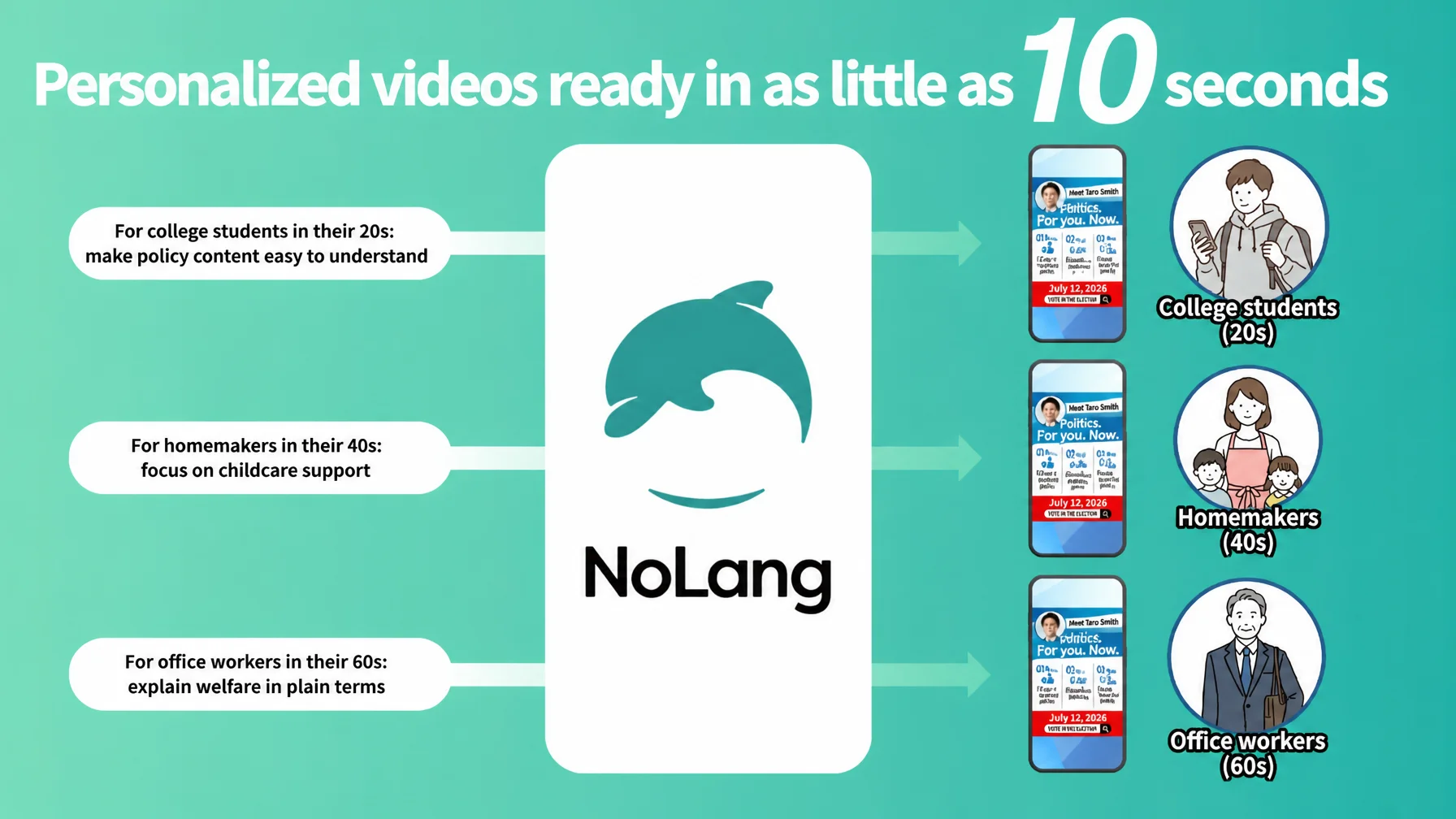
Mavericks, Inc., the Japanese company behind the AI video generation service NoLang, has started offering custom prompts built specifically for election campaigning. Users pick a prompt optimized for a purpose or an audience — explaining policy to young voters, introducing a candidate, announcing a street speech — and the AI generates a video in the wording that fits those voters’ attributes and interests. Producing several versions of the same message used to require heavy filming and editing budgets. With the custom prompt feature in NoLang, changing the prompt is enough to move from a short, energetic video for younger voters to a careful, trustworthy one for seniors, in as little as 10 seconds per video. A single video used to cost tens of thousands of yen and take several days; now multiple versions can be generated instantly for the monthly fee alone, so campaigns can deliver policy information that changes day by day through TikTok and YouTube Shorts, in a form each voter can follow, even within a short election period.
Try NoLangVideo tailored to each voter is becoming the new standard in elections, but producing one version per audience costs too much time and money
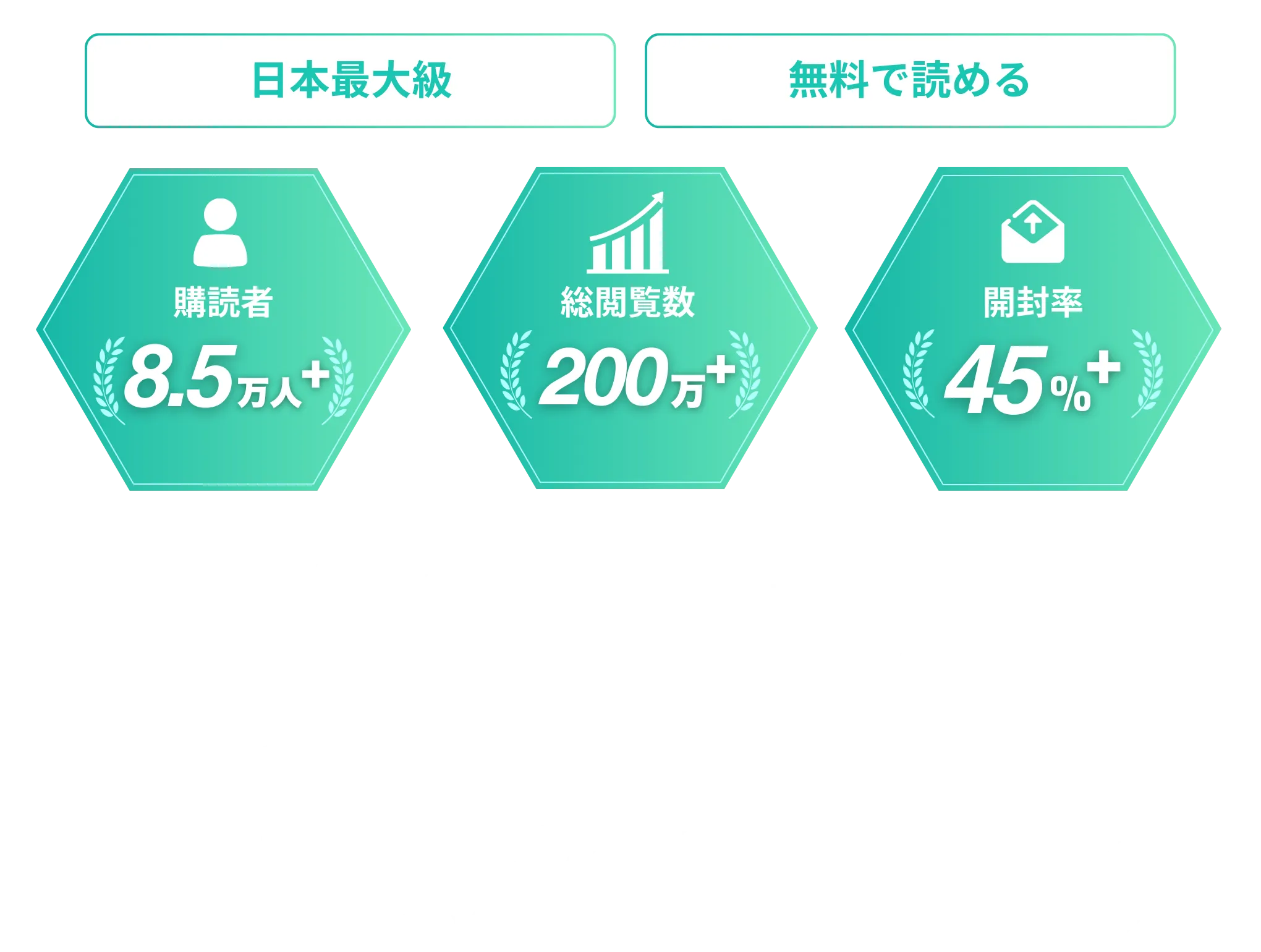
NoLang is an AI video generation service — the first of its kind in Japan, according to Mavericks’ own research — that turns text, PDF documents, website URLs, images and audio files into high-quality video in as little as a few seconds. Since its release in July 2024 it has passed 150,000 registered users and is used by more than 60 companies, making it one of the largest generative AI products to come out of Japan (as of January 2026).
In recent elections, video has become the strongest platform for reaching voters. A recent survey1 found that politicians’ intent to use YouTube rose about 184% year on year and TikTok about 213%, making video-first communication the new standard. Short-form video spreads especially fast: in the 2024 House of Representatives election, a 35-second short video recorded more than 12 million views2, showing how well condensed messages tied to voters’ daily lives can drive engagement.
Effective video communication still faces one large obstacle. Voters differ widely in their concerns and values depending on age, occupation and where they live, so the same content has to be pitched differently for each group. Explaining education policy to parents in concrete numbers and in a short format, for example, makes them more likely to watch to the end and to feel the policy concerns them. Older voters, on the other hand, come to understand a welfare policy — and to accept the case for supporting a candidate — when its social background is explained carefully and in a tone that builds trust. Conventional production, however, means shooting and editing again for every target, at tens of thousands to hundreds of thousands of yen and a lead time of days to weeks per video. Within the limited period and budget of a campaign, producing several versions has not been realistic for most campaign teams.
No expertise needed, just pick a prompt: production time drops from weeks to seconds, and personalized versions become easy to create
The custom prompt feature Mavericks has now released cuts video production from days or weeks to seconds, and adds personalization at the same time. Other AI video tools require prompt engineering skills. In NoLang, users simply choose from prompts that have already been optimized — for explaining policy to young voters, for introducing a candidate to senior voters, for announcing a street speech — and the AI generates the video with the wording, structure and tone that suit that audience. Several versions can be created instantly from the same source material.
From a single set of materials on child-rearing support policy, for example, a campaign can create the following versions.
Version 1: Social media reach for younger voters (prompt for explaining policy to young voters)
Format: a 30-second vertical short video
Tone: concise and energetic, with the conclusion up front
Content: leads with the concrete figure “30,000 yen a month for the second child and beyond,” then explains compactly how it will be funded
Distribution: TikTok, Instagram Reels, YouTube Shorts
Version 2: Detailed explanation for senior voters (prompt for explaining policy to senior voters)
Format: a two-minute horizontal video
Tone: careful and trustworthy, building the argument step by step
Content: starts from data on Japan’s declining birth rate, then covers why the policy is needed, what support it provides, and how it compares with similar past policies
Distribution: Facebook, the campaign website, email
Version 3: Q&A video that answers doubts (prompt for policy Q&A)
Format: a 90-second dialogue-style video
Tone: approachable, answering the questions people actually have
Content: a voter asks “Is my child eligible?” and “When can I apply?” while the candidate answers in concrete terms
Distribution: all social platforms, the campaign website, screens at events
All three come from the same policy materials and take as little as 10 seconds each — around 30 seconds in total — simply by selecting a different prompt. Producing three versions used to mean hundreds of thousands of yen and several weeks; with the custom prompt feature in NoLang it costs nothing extra and takes almost no additional time.
No filming of the candidate required: Real Avatar and voice cloning make personalized videos scalable
Combining custom prompts with the Real Avatar and voice cloning features already available in NoLang lets a campaign produce personalized videos at scale in the candidate’s own likeness and voice, with no filming or recording sessions at all.
Real Avatar: generates an avatar that moves like the person, from a single front-facing photograph
Voice cloning: creates an original voice that reproduces the person’s timbre and intonation from just one minute of audio
With these features, even in the crush of an election period, a candidate can have multiple versions of a “speaking directly to you” video — for younger voters, for senior voters, for a specific district — created immediately, without spending time in front of a camera. Custom prompts tune the wording and tone, while Real Avatar and voice cloning carry the candidate’s own presence, producing personalized videos that feel trustworthy and land with each audience.3
How to set a custom prompt
The custom prompt feature in NoLang is designed to be intuitive even for people who are not used to working with generative AI.
1. Enter the prompt and materials for video generation
On the video generation screen, enter the prompt and materials needed to create the video.
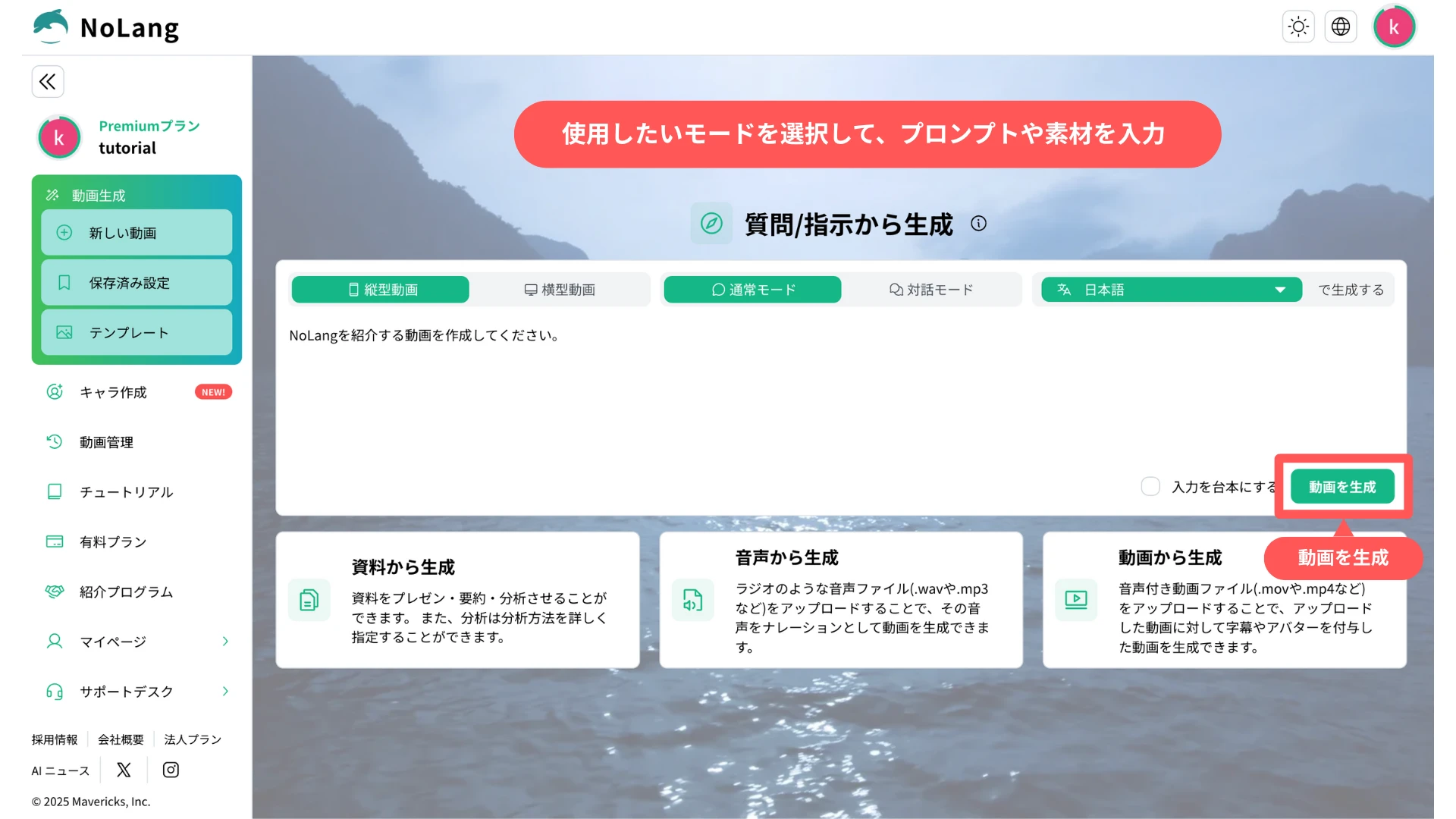
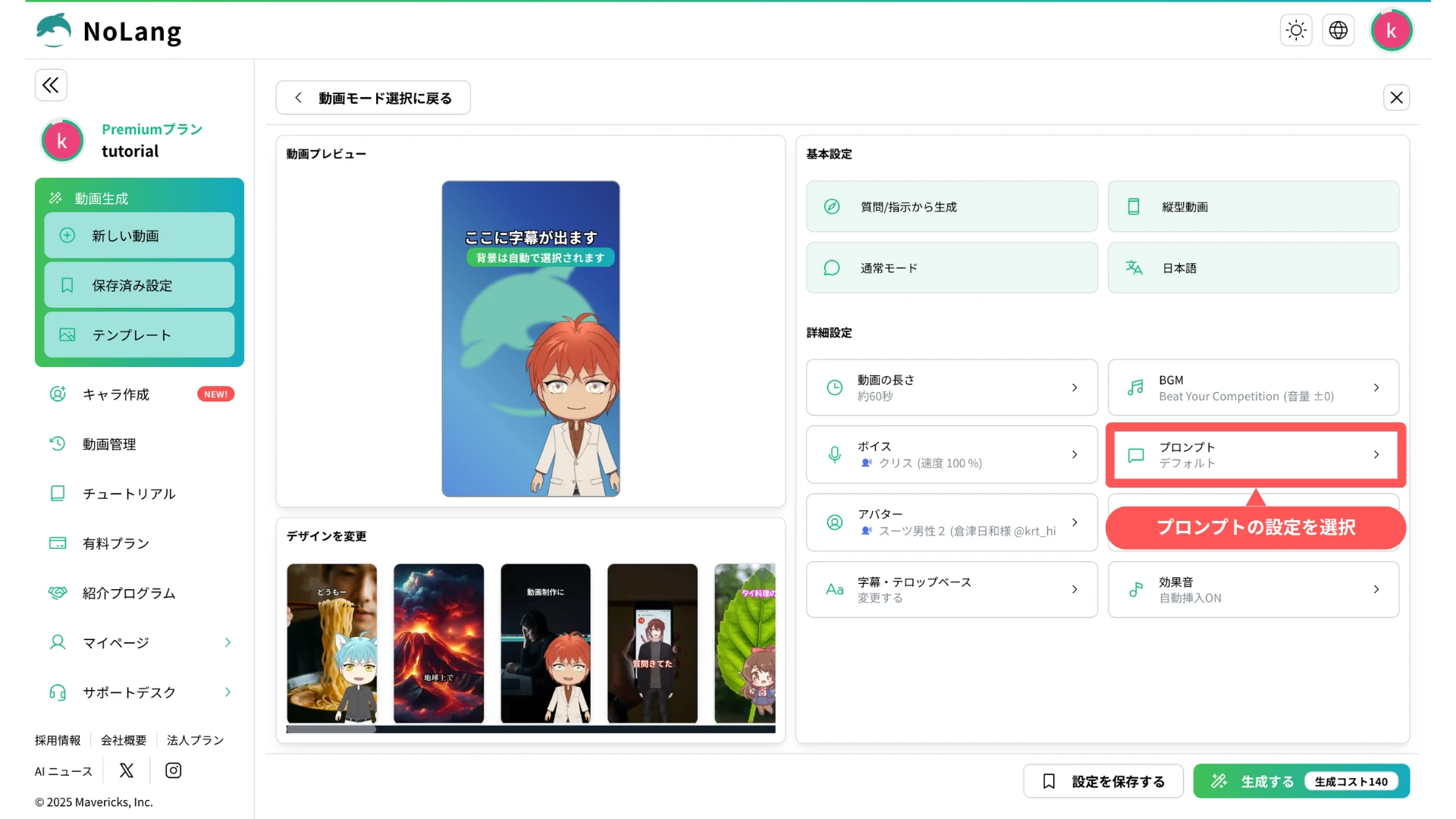
2. Choose the prompt setting on the settings screen
The settings screen opens; select the Prompt setting there.
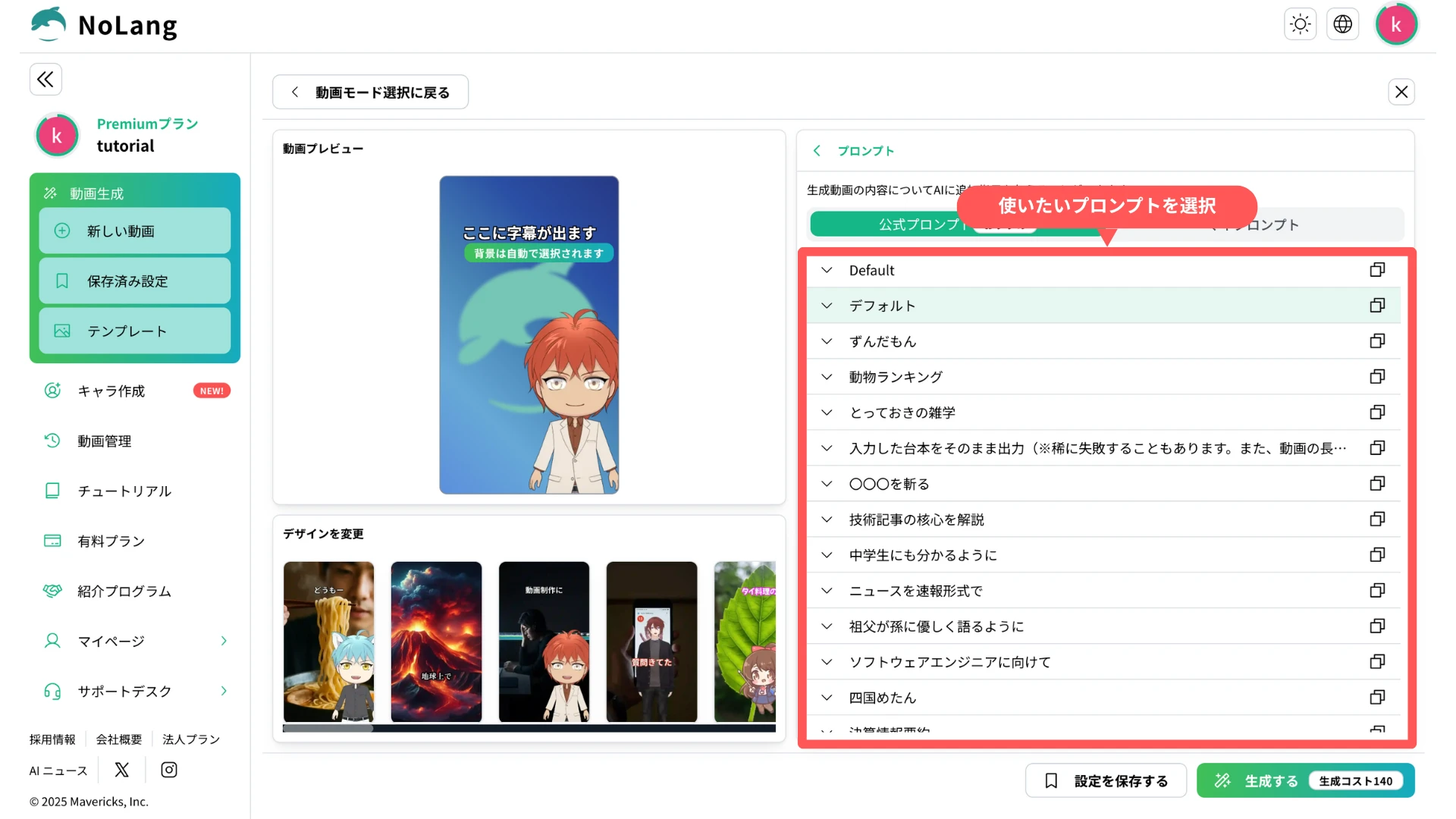
3. Pick the custom prompt you want
Find the prompt you want in the prompt list and select it.
For more detailed instructions, see the official tutorial below.
Read the official tutorialDisclaimer
The following describes the safety measures that apply to the use of this feature.
To promote compliance with the Public Offices Election Act and the appropriate use of generative AI when the service is used in the House of Representatives general election, Mavericks has set the guidelines below. Users are asked to read them.
1. Permission for likeness and voice
When using the Real Avatar and voice cloning features, users must obtain the consent of the person concerned and of the rights holders. Impersonation by third parties and unauthorized secondary use are strictly prohibited.
2. Compliance with the Public Offices Election Act
When content created with the service is used for internet election campaigning, users must comply with the Public Offices Election Act, including the ban on campaigning by email, the rules on the campaign period, and the obligation to display the candidate’s name.
3. No generation of false information
Using the feature to defame a specific individual or to spread false information that is not based on fact violates the terms of service and may result in account suspension.
4. Limitation of liability
Mavericks accepts no liability for any trouble, damage or legal dispute arising from content created or distributed using the service. Users are responsible for verifying the accuracy of the information and for how they operate it.
What comes next
Mavericks plans to expand the custom prompt lineup further, adding prompts tailored to regional characteristics and to specific policy areas such as education, healthcare and the economy. Feedback and requests from creators and users on this release and beyond are welcome.
Try NoLangFootnotes
-
Survey of 253 politicians across Japan (2025) https://prtimes.jp/main/html/rd/p/000000198.000019431.html (in Japanese) ↩
-
Video results for the leader of one party in the 2024 House of Representatives election https://mainichi.jp/articles/20241025/k00/00m/010/260000c (in Japanese) ↩
-
For personalized videos of a specific candidate using the Real Avatar and voice cloning features, please contact Mavericks about the Business plan. ↩