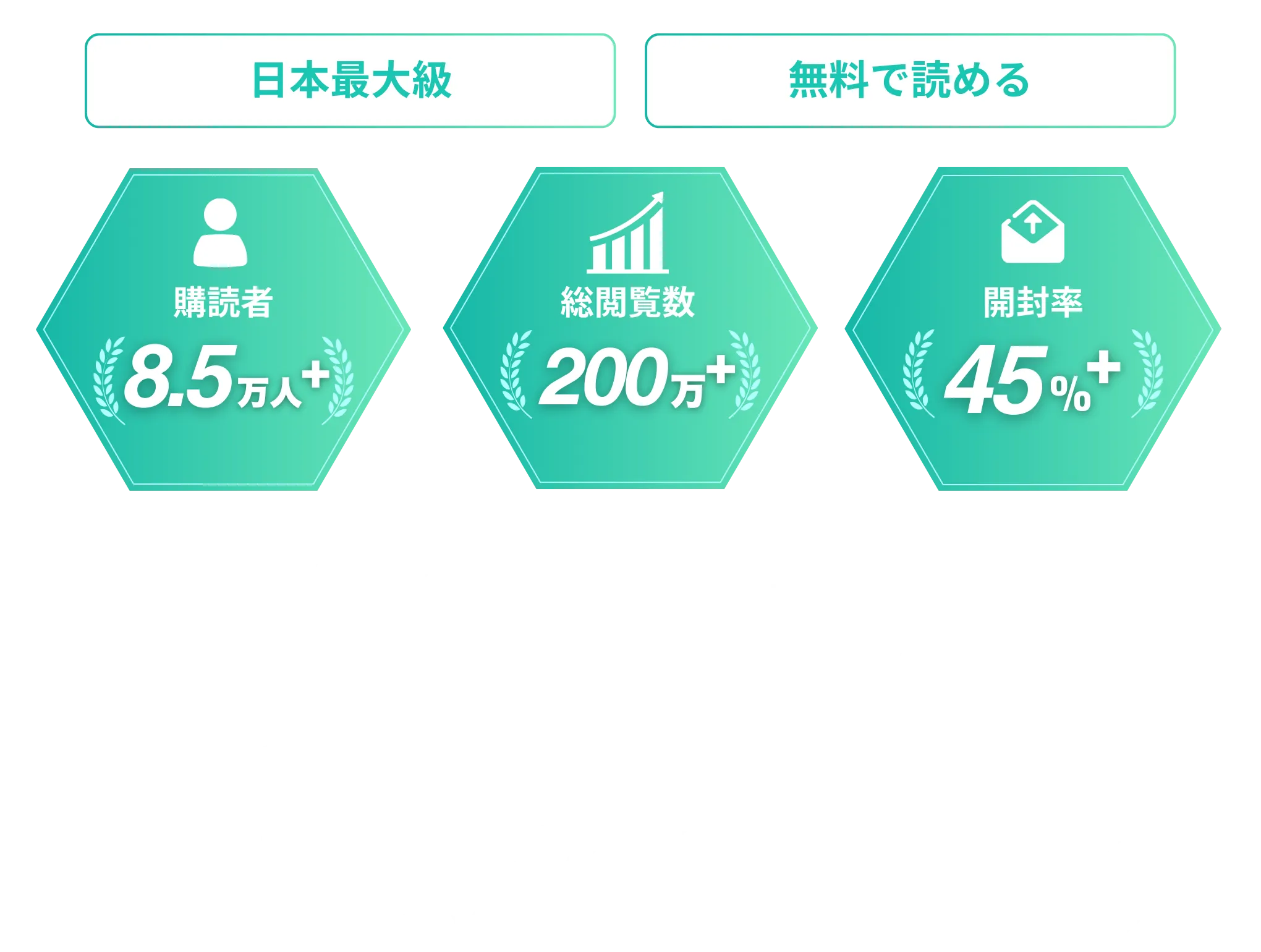
Mavericks, Inc., the Japanese company behind the AI video generation service NoLang, is beginning a full rollout of a video generation solution built specifically for corporate recruiting and HR departments. Since its release in July 2024, NoLang has passed 150,000 registered users and 60 companies (as of December 2025), making it one of the largest services of its kind in Japan. The solution targets the problems recruiters face today: labor shortages that intensify competition for talent, and candidates who read less and less text.
Long job postings, employee interview articles, and messages from executives to prospective hires already exist inside most companies. NoLang converts these assets automatically into vertical short videos suited to YouTube and Instagram, or into scout videos personalized for individual candidates. Delivering what text and still images cannot convey as visual and audio information lowers the cost of reaching passive candidates, and supports the whole chain from brand awareness and talent pipeline building through to the number of people actually hired.
Fully automating video production with NoLang to maximize recruiting results
NoLang is a video generation AI service that produces a video in as little as a few seconds from text, PDF documents, a website URL, or even image, audio, and video files. Mavericks believes it was the first service of its kind in Japan. Registered users have passed 150,000 since the July 2024 release, and more than 60 companies now use it, making it one of the largest generative AI products built in Japan (as of December 2025).
Labor shortages have intensified competition for talent and pushed up personnel costs. In that environment, concrete video solutions that move recruiting beyond text and still images have become important.
A long job posting can be turned into a vertical video optimized for the TikTok or Instagram Reels algorithm to widen awareness. Company blog posts and employee interview articles can be converted into videos, published on social media, and turned into digital assets.
Using video on social media also raises engagement inside the company. And with NoLang, a company can create videos in which an executive’s own avatar speaks to a candidate about points matched to that candidate’s career and background, aimed at improving scout reply rates. All of this is generated instantly from existing text, PDF, or PPTX documents.
The real avatar and voice clone features in particular let recruiters carry their enthusiasm through to candidates. A single photo and a voice sample are enough to generate an avatar that stands in for the person, so there is no need to book filming time with busy key people. Nonverbal information such as the character and atmosphere of executives and employees reaches candidates through that person’s own appearance and voice. As reading habits shift away from long text, this reduces the mental effort a job seeker has to spend and delivers dense information quickly, which differentiates a company’s recruiting, prevents mismatches after joining, and maximizes the results of recruitment marketing overall.
Use case 1: Creating a range of videos from recruiting documents and job postings to maximize every channel
As competition for talent intensifies, conventional text-first job postings that simply list detailed conditions face a serious problem: they are not read at all. NoLang converts existing PDF recruiting documents and job postings published on the web into a video that explains the posting in one minute.
With PDF mode, AI automatically extracts only the important items from a large volume of text and instantly produces a vertical video optimized for algorithms such as TikTok and Instagram Reels. That widens reach on the social platforms job seekers use every day, and can build awareness among passive candidates who are not actively looking for a job. PDF mode also lets the user specify the video length, so the same document or text can produce a one-minute vertical video for awareness on social media, or a five-minute horizontal video with more depth for the company’s own careers site, depending on the platform and the purpose.
The real avatar and voice clone features go further: one photo of a recruiter or executive and just one minute of audio are enough to generate an avatar that stands in for that person and appears in the video. Busy employees and executives never have to be scheduled for a shoot, yet nonverbal information such as an employee’s character comes through in their own voice and appearance. Job seekers watching feel closer to the company and more at ease, which prevents mismatches after joining and substantially lowers the psychological hurdle to applying.
Use case 2: Turning careers site articles into video to deepen candidate engagement
Text-first content such as employee interviews and founding stories, published on a company’s careers site or on external recruiting platforms, carries real depth and enthusiasm, yet readers often leave before reading it closely. Turning these articles into video with NoLang raises them into content that speaks to the eyes and ears, which lengthens time on site for an SEO benefit while deepening candidate engagement. Distributing the resulting videos on YouTube, TikTok, and Instagram extends reach to passive candidates that existing acquisition channels never touched, strengthening multichannel recruitment marketing that makes the most of past text assets such as the company’s own articles.
The Chrome extension removes even the work of copying and pasting the text into a prompt, so anyone in charge can turn an article into a video immediately, with or without experience in video production or editing.
Use case 3: Personalized videos for each candidate to lift open rates and interview bookings
In recruiting conducted largely by email, the inboxes of strong candidates overflow every day with scout messages assembled from boilerplate. Many candidates find it a burden to read long text company introductions and job postings, which lowers open rates and causes lost opportunities when the message is abandoned before it is read. Sending each candidate a video that explains why they were approached and introduces the company keeps the message from being buried the way text is, and sets the company clearly apart from others.
In practice, a recruiter creates one candidate-facing video in NoLang and then uses the editing features to change the script to the reasons that match each candidate’s career. No new filming or recording is required each time, so per-candidate videos can be produced and attached quickly. Candidates sense that the video was made for them alone, which is expected to improve reply rates and interview booking rates.
The real avatar and voice clone features make this approach stronger still. One photo of an executive and one minute of audio are enough to create a video message that looks as though the executive is speaking to the candidate directly, without the executive spending any time on it. Being able to produce high-energy outreach from the top of the company at volume, without consuming the time of busy leadership, is highly effective at raising a candidate’s interest in the role.
Outlook
Mavericks will extend this beyond recruiting to video for every kind of text communication inside a company, including internal newsletters, training manuals, and sales materials. By making NoLang the infrastructure that cuts the cost of reading information and turns it into an experience of watching and listening, the company aims to contribute to the productivity of Japanese businesses and to a society where intent is conveyed accurately.