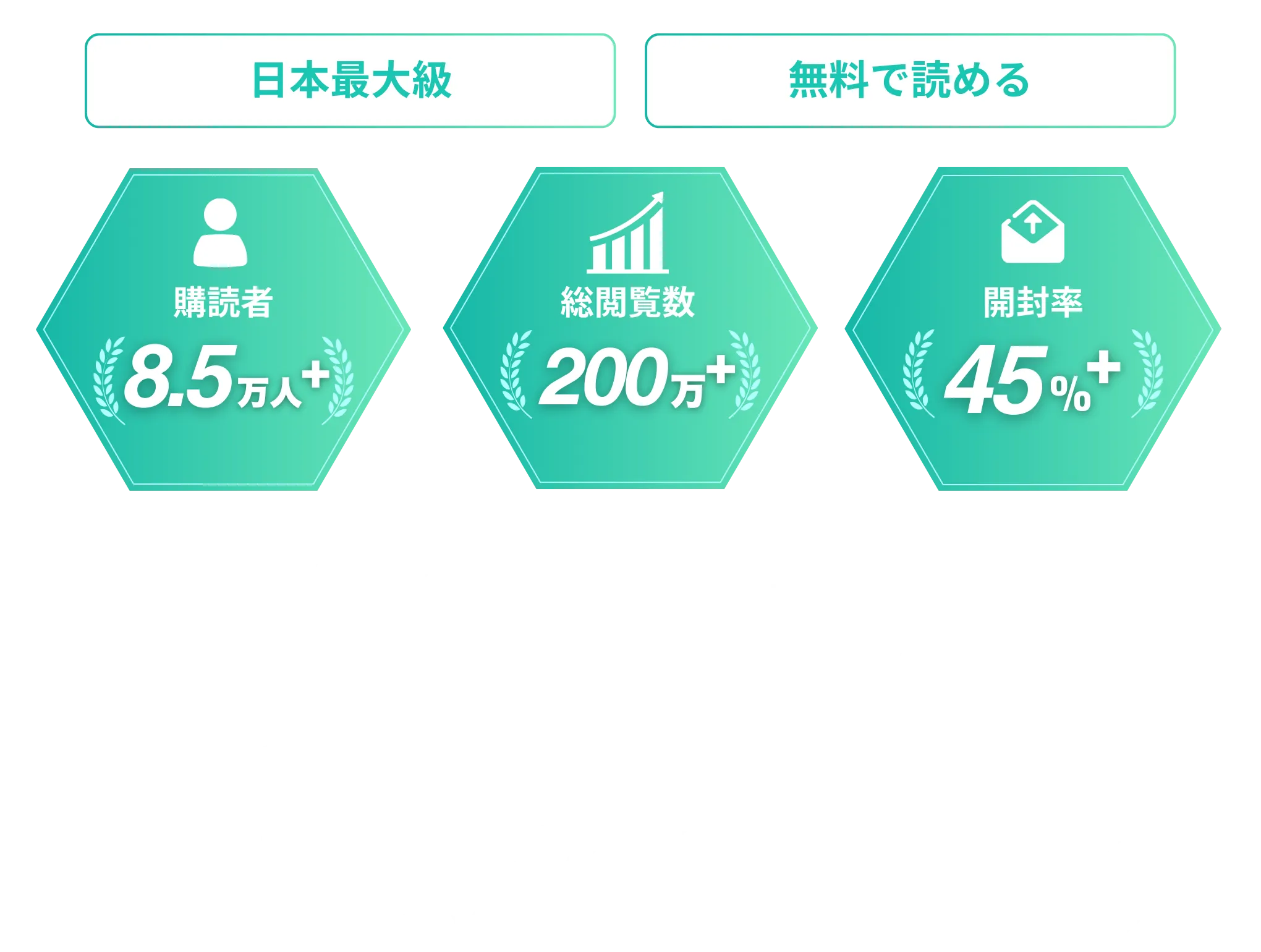
Mavericks, Inc., the Japanese company behind the AI video generation service NoLang, is launching a dedicated push into the IT, SaaS, and web industries. Since its release in July 2024, NoLang has passed 150,000 registered users and 60 corporate customers (as of December 2025), and it now targets two problems specific to these industries: customer churn caused by product complexity, and support costs that grow with every frequent update. Companies feed in the text assets they already own — release notes, specification PDFs, help content, and technical blog posts covering everything from how to use a service to development tips — and NoLang automatically generates videos that summarize new features or explain the content of a blog post. By sharply lowering the cost for customers and users to take information in, NoLang helps prevent churn through better feature understanding and strengthens SEO by increasing time on site through video viewing.
Lowering cognitive cost and streamlining operations with NoLang to prevent churn and raise LTV
NoLang is an AI video generation service — the first in Japan, according to the company’s own research — that produces high-quality video in as little as a few seconds from text, PDF documents, website URLs, or image and audio files. Since its release in July 2024, registered users have passed 150,000, and the product is now used by more than 60 companies, making it one of the fastest-growing generative AI products in Japan (as of December 2025). Mavericks, Inc. is focusing this proven solution on the IT, SaaS, and web industries, where information changes quickly and the subject matter is highly specialized. The goal is to solve two linked problems: customers who drop off because complex information fails to land, and support costs that rise as companies help customers adopt and operate their services.
In practice, teams can use NoLang to generate the video content SaaS growth depends on, automatically and at volume. That includes explainer videos that summarize release notes and specification PDFs to drive awareness and adoption of new features; videos that break down specialized white papers and technical blog posts to prime lead generation; and manual videos that visually guide users through UI steps that are hard to convey in text alone, encouraging self-service. In IT and SaaS products, feature complexity and dense jargon raise the psychological barrier to use. Because NoLang videos deliver information through sight and sound together, they cut the processing load compared with text. That drop in cognitive cost is the direct mechanism that raises comprehension and confidence, which in turn improves feature adoption rates and prevents churn.
NoLang also addresses a problem unique to SaaS: manual videos go stale as soon as the UI or feature set changes. Its editing features let teams update a video immediately by swapping out text or images. On top of that, the real avatar and voice clone features reproduce the appearance and voice of a product manager or customer success representative, adding a familiar face and a sense of the speaker’s commitment to communication that happens through a screen. This turns exchanges that can feel impersonal into a warmer experience, as though a dedicated representative were speaking beside the user, closing the psychological distance with customers and building strong trust and engagement.
Use case 1: Driving new-feature adoption to reduce churn risk, maximize customer LTV, and cut customer success workload
In the IT, SaaS, and web industries, the pace of product updates is a source of competitive strength, but text-based information such as release notes and FAQs tends to be skimmed past by busy users. When a newly shipped feature goes unnoticed and customers never get the full value of the product, engagement falls and churn can follow directly. There is also an efficiency problem: customer success representatives spend their time explaining, one customer at a time, things that have already been announced — a significant obstacle for an organization trying to scale.
With NoLang, that text can be converted instantly into intuitive video content, turning the burden of reading into the experience of watching and closing the gap in user awareness and understanding. Release notes published on the web can be turned into a summary video in one click with the Chrome extension. Detailed specification PDFs can be condensed with the one-minute explainer mode into a short video containing only the key points, which dramatically lowers the barrier to watching. Companies can go further and embed video generation inside their own SaaS dashboard using the NoLang API, building a system that automatically delivers onboarding videos personalized for each user and strongly supporting customer onboarding. Driving awareness and adoption of new features maximizes customer lifetime value (LTV) and reduces churn risk. At the same time, it sharply cuts the customer success hours previously spent on individual explanations, raising productivity across the organization.
Use case 2: Accelerating lead generation by turning white papers and technical blogs into video
For the IT, SaaS, and web industries, content marketing through white papers and technical blog posts is essential to lead generation, yet the very depth and volume of that content can drive prospects away. For today’s users, who value time efficiency, and for decision-makers without a technical background, text packed with difficult jargon is a high barrier — and valuable information often fails to land, costing the company the opportunity. Converting those text assets into video with NoLang lets audiences grasp the content intuitively through sight and sound, which raises conversion rates on landing pages for materials requests and opens new lead generation channels through social media.
Specifically, the one-minute explainer mode and the Chrome extension automatically pull just the key points out of a long PDF or a technical blog post on the web and generate a short explainer video on the spot. Even for complex system architectures or abstract concepts, the more than 100 Live2D avatars and 3D AI avatars available in NoLang break the material down with expressive narration, improving comprehension among non-engineers. NoLang is also a fit for IT companies with strict security requirements: input data is not used for training, so even unreleased specifications or documents containing proprietary know-how can be turned into video with confidence. Making difficult information easier to absorb helps decision-makers understand it and lifts landing page conversion rates. Reusing existing text assets opens new lead generation channels efficiently while keeping production costs down.
Use case 3: Turning FAQs into manual videos to reduce inquiries, improving both support efficiency and quality
In the IT, SaaS, and web industries, as services add features, the user’s sense that the product is “too complex to master” becomes a leading cause of churn and falling satisfaction. Text-based FAQs and manuals are especially prone to this: the more information they hold, the heavier they are to read, and the more users avoid them.
NoLang answers this by converting existing help center articles and operation manuals — PDFs or web pages — into explainer videos simply by loading a URL or a file. Pairing a visual demonstration of the steps with narration makes UI behavior and complex configuration procedures, which are hard to convey in text alone, intuitive to follow, and dramatically improves the rate at which users resolve issues themselves. Support staff are freed from routine “how do I use this” requests and can concentrate on core work such as advanced technical problems and customer success.
The editing features are a particular strength against the workload of keeping manuals current through the frequent feature updates that characterize IT and SaaS. Conventional video production incurs enormous costs in reshooting and re-editing every time a feature changes; with NoLang, editing the text or swapping an image is enough to regenerate and maintain a video that always reflects the latest UI and features. Teams can also use the real avatar feature to create videos in which a reassuring avatar, resembling an actual customer success representative, responds to an inquiry — adding an approachable, attentive support experience to FAQs that would otherwise feel impersonal, and raising customer engagement.
What comes next
Mavericks, Inc. plans to support embedding video generation into customers’ own SaaS dashboards through the NoLang API, and to deliver more refined per-user personalized video. Through the human warmth of communication using real avatars and voice clones, the company aims to help build customer trust and raise LTV in digital experiences that can otherwise feel impersonal.