Mavericks, Inc., the Japanese company behind the AI video generation service NoLang, is beginning a full rollout of the solution for the construction and architecture industry. NoLang automatically turns existing in-house documents — construction procedure manuals, technical materials on earthquake-resistant structures, inspection manuals — into multilingual safety training videos for foreign workers and explainer videos that standardize sales quality. By making information easier to grasp visually, the solution helps reduce the risk of workplace accidents, improves operational efficiency, and supports revenue growth through higher conversion rates.
Try NoLangNo video expertise and no outsourcing costs: NoLang generates videos in seconds, from lead generation to better on-site training
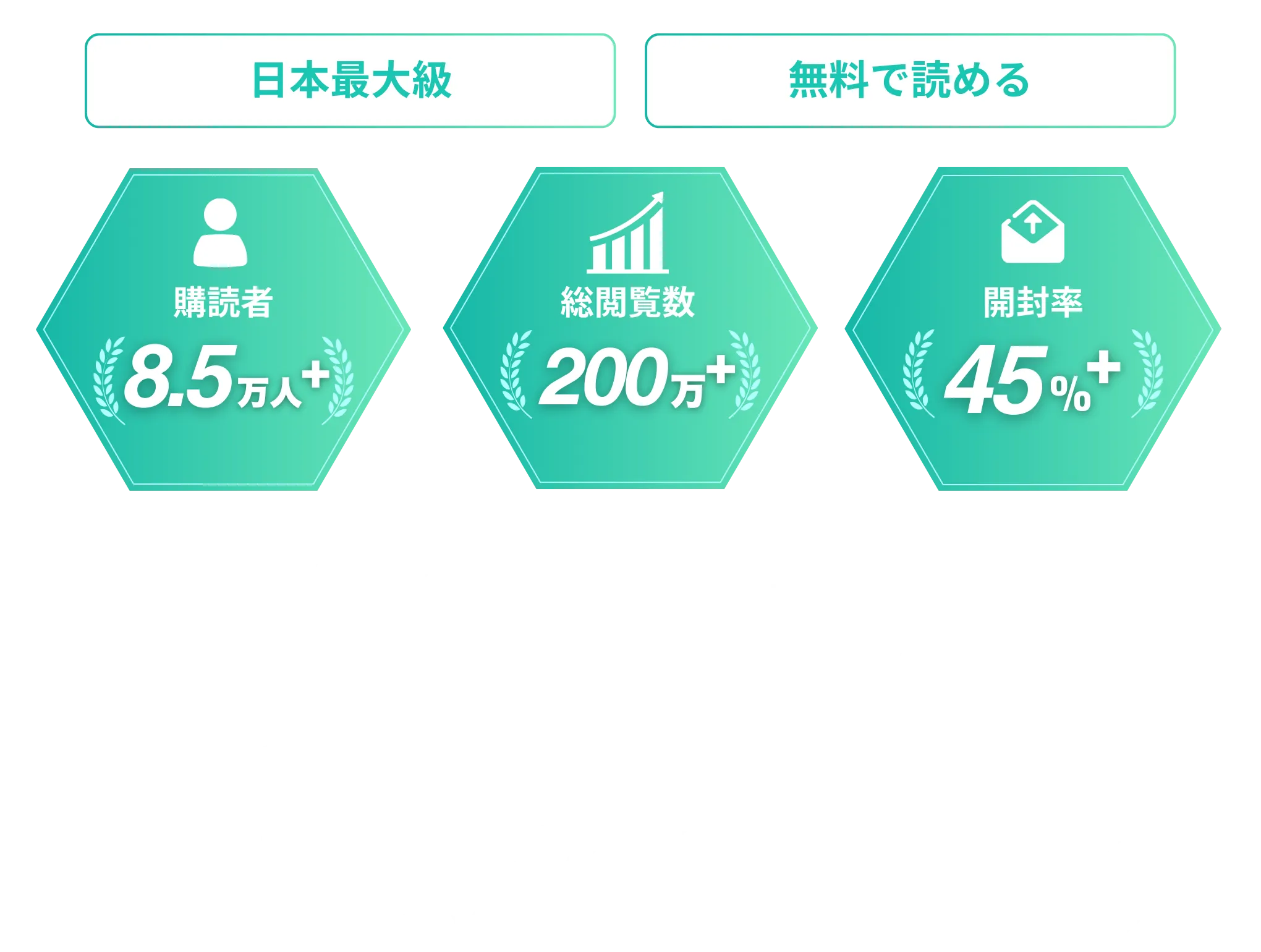
NoLang is an AI video generation service that produces high-quality videos in as little as a few seconds from text, PDF documents, website URLs, or image and audio files. It is the first service of its kind in Japan (according to Mavericks, Inc.). Since its release in July 2024, registered users have passed 150,000 and more than 60 companies have adopted it, making it one of the largest generative AI products to come out of Japan (as of December 2025). Mavericks, Inc. is now rolling out this proven NoLang solution for the construction and architecture industry to address challenges in skills transfer, safety management, and customer communication, and to advance digital transformation across the sector.
With this solution, companies can automatically generate video content for the entire construction and architecture value chain without any video production expertise: explainer videos that make highly technical information such as seismic grades and ZEH (net zero energy house) standards intuitive for general customers; multilingual safety training videos that teach the growing number of foreign workers correct procedures and safety rules in their native languages; and inspection and maintenance videos that push guidance on caring for a home to customers after handover.
In the construction industry, conveying information through text and still images alone has created risks: technical jargon and language barriers lead to customers dropping off and to accidents on site. Videos made with NoLang keep visitors on a website longer and deepen their understanding, which raises inquiry rates. On site, workers grasp procedures intuitively, which shortens training time, lowers the risk of accidents, and standardizes construction quality.
See the training video automation solution Read the guide to making training videosNoLang also includes a powerful Dictionary feature for industry-specific needs. Teams can register hard-to-read Japanese terms such as 躯体 (kutai, structural frame) and 巾木 (habaki, baseboard), as well as company-specific jargon, in advance, so that misreadings by the AI never undermine credibility. Companies can also create and use avatars that convey trustworthiness, which means they can produce and scale videos in-house — free of entertainment-style flourishes and credible as official corporate information — without outsourcing costs.
Use case 1: Explainer videos on technical terms improve customer understanding, extending time on site while removing sales from individual dependence
In construction and architecture, technical information such as seismic grades, insulation performance, and ZEH is the most important factor in guaranteeing a home’s asset value and safety. That information is highly specialized, and conventional technical materials built around text and still images often feel difficult and hard to read to general customers. Text-heavy technical pages see high drop-off, with visitors closing them before reading. In face-to-face sales, the skill required to explain the benefits of invisible structures and construction methods varies from person to person, so a customer’s understanding and confidence depends on who is presenting. This dependence on individual sales skill is another problem to solve.
NoLang converts this hard-to-communicate technical information into videos that make sense at a glance, in a matter of seconds. Simply feeding NoLang the existing text and materials already sitting on a company’s own site — comparison columns on insulation materials, technical documents on earthquake-resistant structures — automatically generates an explainer video.
The greatest value of adopting NoLang is that better customer understanding builds reassurance and translates into concrete business results. Turning difficult technical pages on a website into video extends time on page and improves the bounce rate, which in turn can raise conversion rates for actions such as requesting materials or booking a showroom visit. Finished videos are also easy to deploy beyond the website, onto the tablets that sales representatives use in meetings. Used as a support tool, a video that speaks with the authority of a veteran architect lets a junior sales representative explain technical points at the same level as an experienced colleague, lifting the closing rate for the organization as a whole.
What sets NoLang apart from other tools in construction is its ability to deliver specialized information accurately and in an authoritative tone. The Dictionary feature is especially notable. Registering industry-specific and hard-to-read terms such as 躯体 (kutai), 巾木 (habaki), and ZEH in advance prevents misreadings by the AI from undermining credibility. Companies can also create and choose avatars and voices suited to an industry that values trust, so they can produce and scale high-quality explainer videos in-house as official corporate information, without outsourcing costs.
Use case 2: Learning by watching cuts training time sharply, curbing variation in construction quality and improving safety and productivity on site
Against a backdrop of severe labor shortages, the construction and architecture industry faces urgent challenges in the growing number of foreign workers and in training young tradespeople. Conventional paper and text-based manuals make subtle Japanese nuances hard to convey, causing communication errors, and long documents create a psychological hurdle and fatigue that leave workers with an incomplete understanding. That has led directly to serious workplace accidents and to variation in construction quality. On sites where learning by watching matters most, information limited to still images and text significantly reduces learning efficiency for younger workers who read less text and for workers facing a language barrier.
NoLang can solve these on-site problems. Uploading an existing safety rulebook or construction procedure manual as a PDF or text file is enough for the AI to instantly summarize and structure the content and generate a visually clear explainer video.
With NoLang, a training process that has depended on verbal explanations from skilled workers and on-the-job training can be converted into standardized video manuals. Video content that engages both sight and hearing is retained far better than text, and workers can check procedures anytime and anywhere on a smartphone. That shortens the time it takes to get up to speed on site, cuts training costs substantially, and gets new workers productive sooner. The result is not only lower accident risk but a concrete business outcome: higher productivity through less rework.
Videos generated with NoLang can also be translated and dubbed into other languages with a single click, so safety standards reach foreign workers accurately in their native languages.
Use case 3: Manuals move from text to be read to video to be watched, with push-delivered maintenance videos reducing inquiries and raising satisfaction
After a home is handed over, customers receive a thick maintenance guidebook and inspection instructions, but reading them carefully is a psychological hurdle for many, and the documents tend to end up at the back of a shelf. As a result, day-to-day maintenance such as cleaning filters and preventing condensation is often neglected. Inquiries then arrive only after deterioration has set in, driving up repair costs and lowering customer satisfaction — customers complain that no one told them. This has been a major challenge for after-sales departments.
With NoLang, existing maintenance manuals and inspection instructions can be converted into clear explainer videos right away. Delivering information such as “your periodic inspection is due next month” or “how to prevent winter condensation and clean your filters” as short videos that customers can watch easily on a smartphone dramatically improves both how much of the information reaches them and how well they understand it.
Visual reminders in video form are far more compelling than text. Specifically, they keep customers from forgetting to book periodic inspections, which directly raises inspection completion rates. Showing the correct care procedures in intuitive video form also encourages customers to maintain their homes themselves, preserving the quality of the property. That reduces the workload of phone inquiries and site visits for minor issues and makes after-sales maintenance operations more efficient. Continuing to deliver useful video information after handover also keeps a company in regular contact with its customers, building the long-term trust that leads to future renovation orders and referrals.
Outlook
Going forward, Mavericks, Inc. will strengthen API integration with the core systems and construction management apps used by companies in the industry, and develop functionality that automatically generates progress report videos from daily reports and drawing data. NoLang aims to serve as a translator of information on construction sites — a communication infrastructure that works across barriers of language and specialized knowledge.
Try NoLang