Mavericks, Inc., the Japanese company behind the AI video generation service NoLang, is launching a dedicated push into the hotel, ryokan (traditional Japanese inn) and tourism industries. NoLang automatically converts the text assets these businesses already own — articles sitting unused on tourism sites, in-house rule documents and text, and guest reviews — into multilingual promotional videos for travelers and explanatory videos for guests. Because video reaches both the eyes and the ears across language barriers, it helps hotels cut operating costs by easing the load on front-desk staff, and lift revenue by opening up social media as an active acquisition channel.
Try NoLangHigh-quality video from existing text and documents, no expertise required. Multilingual output and social distribution maximize customer acquisition while cutting operating costs
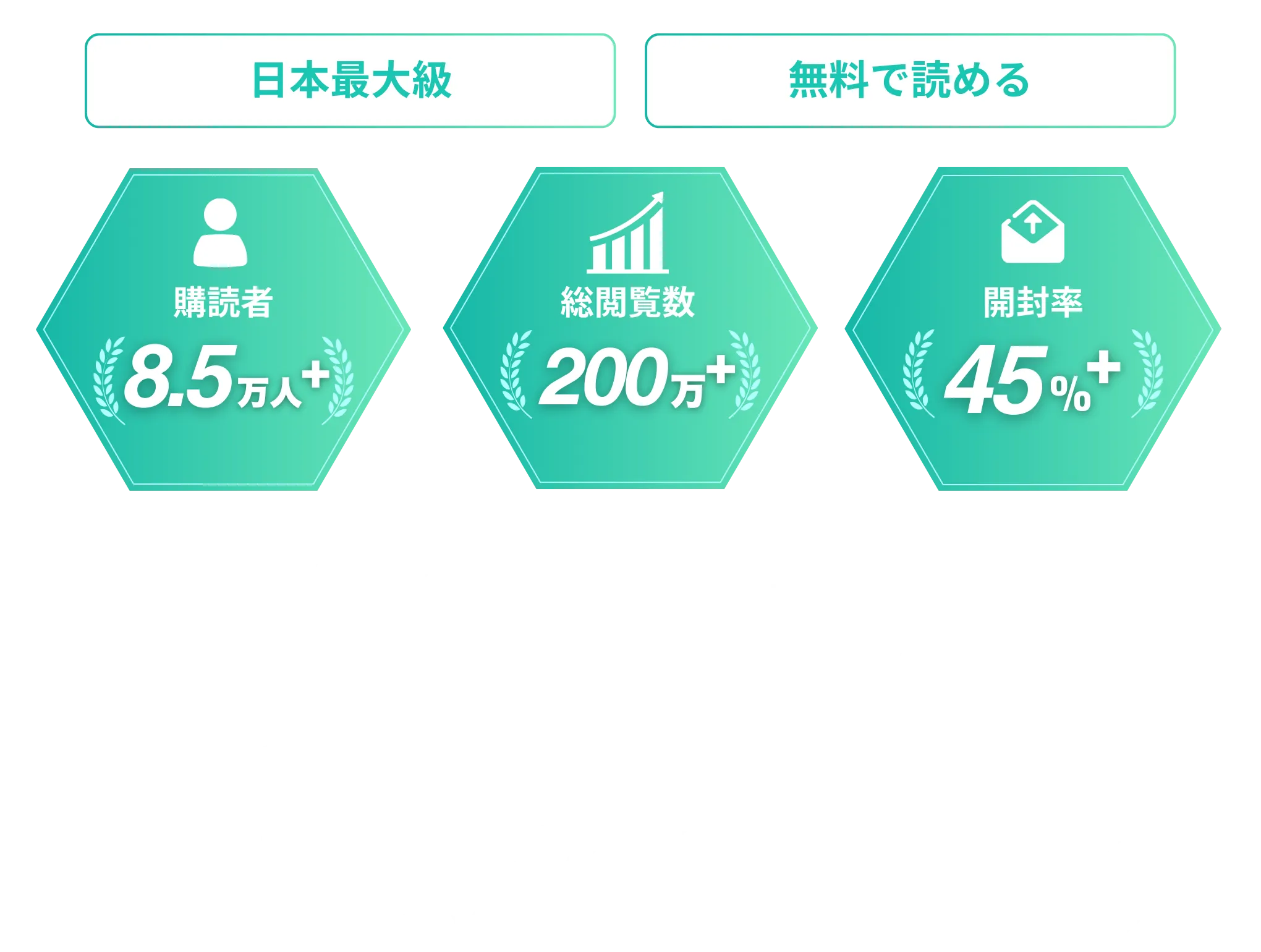
NoLang is an AI video generation service that produces high-quality video in as little as a few seconds from nothing more than text, a PDF document, a website URL, or an image or audio file. It was the first such service in Japan (according to Mavericks, Inc.). Since its release in July 2024 it has grown into one of the largest generative AI products in Japan, passing 150,000 registered users and more than 60 corporate customers as of December 2025. Mavericks, Inc. is now bringing NoLang to hotels, ryokan and the wider tourism industry, to make guest communication more efficient and to maximize customer acquisition across the web, social media and other channels.
In practice, hotels and tourism operators can automatically create video tailored to the problems their industry faces, without any specialist skills: promotional videos that use blog posts and sightseeing articles buried on a tourism site to convey the appeal of a trip in a short format; videos in which a lifelike AI avatar acts as a concierge and explains house rules and Japanese etiquette to visitors on behalf of staff; and user-generated-style videos built from guest reviews and word-of-mouth comments.
Finished videos can be published immediately as vertical short-form video for Instagram Reels, TikTok and YouTube Shorts. That moves acquisition beyond the website alone and into an active approach to potential customers on social media, expanding acquisition channels and maximizing revenue while putting past text assets back to work.
NoLang also supports 18 languages, including English and Chinese, so a property can convey its appeal and its rules to international visitors instantly without dedicated multilingual staff. That reduces operating costs by easing the burden on the front desk and by preventing problems before they occur.
Use case 1: Turn sightseeing articles into videos ready for social media, capturing inbound demand and improving conversion rates to lift revenue
Most hotel and ryokan websites publish blog and article content, such as area sightseeing guides and local food features, to convey what makes the region appealing. But for today’s travelers, long-form content made only of text and still images is hard work to read, and it drives early exits from the page. When the appeal does not come across, users leave for social media or other sites in search of information, and the property loses the opportunity.
Turning those existing articles into video with NoLang instantly transforms buried text into a short digest that conveys the appeal of the area.
Placing the video on the site lengthens time on page and encourages the visitor to consider the trip more seriously. Making the trip concrete in the visitor’s mind contributes to a higher direct booking rate. The same video can then be distributed as-is to short-form platforms such as Instagram Reels and TikTok. Acquisition expands from search engines alone to an active approach to potential customers through social media, making multichannel distribution possible by reusing past content assets.
Two things make this work: the multilingual support and the expressive range of NoLang. With 18 languages supported, a sightseeing guide created in Japanese can be converted to an English, Chinese or other inbound-facing version with a single click. Properties can strengthen the information they offer international visitors without paying for translation or narration recording. On top of that, a lifelike real AI avatar acts as a guide, creating a sense of hospitality and reassurance that a flat slideshow cannot produce, and raising customer engagement before the guest ever arrives.
Use case 2: Communicate house rules through video, easing the front-desk workload and preventing problems to improve on-site efficiency
As inbound visitor numbers rise sharply, many accommodation providers struggle to communicate etiquette across differences in culture and custom, and their front desks are stretched as a result. The multilingual text manuals and notices properties have handed out until now are a high hurdle for guests to read. They often go unread or are only partly understood, which leads to problems such as incidents in the public bath and rooms left in poor condition.
Using NoLang to shift this guidance from text to video encourages intuitive understanding across the language barrier, delivering both a stress-free stay for the guest and a more efficient operation for the property. Simply showing the video on a tablet at check-in makes it possible to explain fine-grained rules — Wi-Fi connection, waste separation, when to take off your shoes — consistently and accurately, even when no multilingual staff are on duty. That sharply shortens the time spent with each guest, easing congestion at check-in and cutting the follow-up work created by rule violations.
NoLang is especially well suited to an industry that has to update information often, because its videos are easy to edit and correct. With conventional video production, even a minor change such as a new breakfast time or Wi-Fi password meant expensive reshooting and re-editing. With NoLang, editing the text updates the video immediately. And because videos can be generated directly from manual text on hand, with no prompt writing required, front-line teams can keep guidance videos current without depending on IT skills.
Use case 3: Elevate text-only reviews into user-generated-style video, making credibility visible to improve booking rates
In travel and tourism, the reviews on travel agency and booking sites are the single most important asset shaping a customer’s decision. But as people read less text, working through a large volume of written information is a heavy burden, and information overload leads to decision fatigue, site abandonment and postponed bookings.
NoLang addresses this by instantly converting the guest reviews and free-text survey comments a property has accumulated into engaging video. Rebuilding genuine customer reactions — the kind that get buried in text — into a format that reaches the eyes and ears gives users who are still deciding an intuitive sense of reassurance and lowers the psychological hurdle to booking. Review data that was nothing more than a list of information becomes powerful marketing content that vouches for the property’s credibility, contributing to higher conversion rates on the website and to expanded acquisition through social media such as Instagram and TikTok.
What comes next
Mavericks, Inc. will strengthen API integration with booking systems and CMS platforms, with the goal of fully automatic video generation that reflects room availability and seasonal events. The company will also deepen cooperation with local governments and DMOs, contributing to tourism DX and regional revitalization as infrastructure that carries the appeal of a whole region to the world through video.
Try NoLang