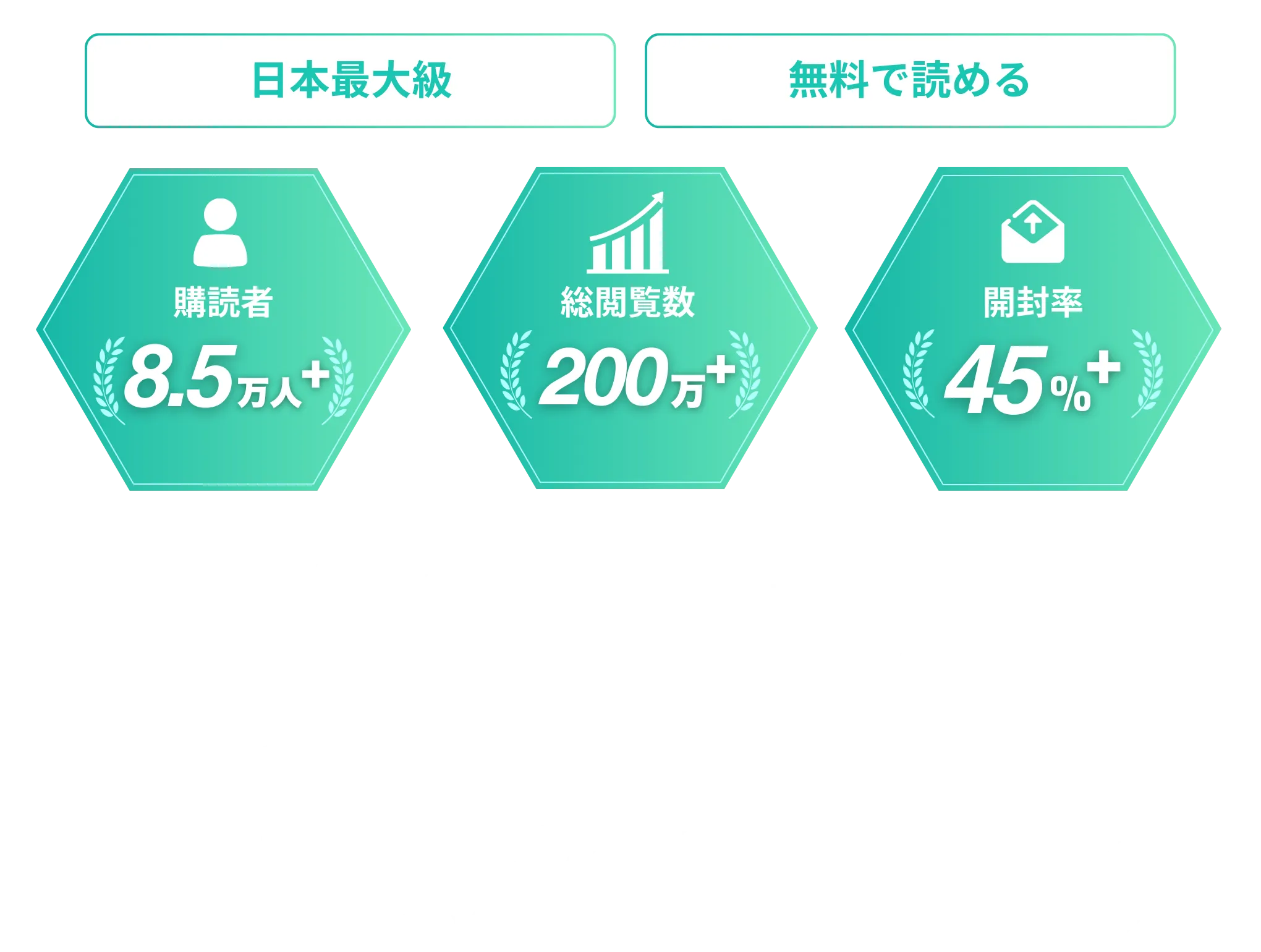
Mavericks, Inc., the Tokyo-based developer of the Japanese AI video generation service NoLang, is launching a dedicated rollout of the service for the medical and healthcare industry. Since its release in July 2024, NoLang has passed 150,000 registered users and 60 corporate customers1, and it now addresses two problems common in clinical settings: training quality that depends on the individual instructor, and the complaints and inbound questions that follow when patients do not fully understand an explanation. NoLang automatically turns the guideline PDFs, patient leaflets, and website columns a medical institution already holds into standardized manual videos for staff and explanatory videos for patients. Converting complex information into something people both see and hear improves retention for clinicians and patients alike, which helps prevent medical errors, lightens staff workloads, and raises patient satisfaction.
Try NoLang for yourselfSolving the challenges of the medical and healthcare industry with NoLang
NoLang is an AI video generation service that produces a high-quality video in as little as a few seconds from text, PDF documents, website URLs, or image and audio files. It is the first service of its kind in Japan (according to Mavericks, Inc.). Since its release in July 2024, it has passed 150,000 registered users and been adopted by more than 60 companies, making it one of the largest Japanese-developed generative AI products by scale1. Mavericks, Inc. is now bringing that proven service to the medical and healthcare industry in earnest.
Standardized manual videos that show complex procedures and equipment operation in a consistent way, explanatory videos that give patients an intuitive grasp of difficult tests and post-operative care, and awareness videos for waiting-room signage or social media: NoLang can turn any of the information a medical setting needs into video, quickly and with medical accuracy.
See the training video generation solution Read the guide on how to make training videosConventional text-based manuals struggle to convey the mechanisms of a disease or the fine nuances of a procedure, leaving learners with a heavy cognitive load. Converting that material into video that appeals to both sight and hearing helps learners understand deeply and remember more in less time. It also removes the dependence on an instructor’s personal experience and teaching skill, which makes medical services more consistent and safer.
NoLang also helps with an issue specific to healthcare: establishing trust. A real avatar that reproduces a doctor’s own appearance and voice can deliver the explanation, giving patients the reassurance of hearing it from their attending physician, something a neutral synthetic voice or a cartoon character cannot provide. Patients understand their treatment better and cooperate more willingly, which prevents incidents caused by mistakes in self-care and greatly reduces the pressure that inbound questions place on staff. Without adding production work, NoLang drives the digital transformation of medical communication built on trust and safety.
Use case 1: Training videos for medical staff that improve retention
Clinical work demands constant updates to advanced, specialized knowledge: disease mechanisms, new treatments, and the operating procedures for medical devices. Text-based manuals and static handouts make it hard to picture the flow of a complex procedure, so reading fatigue and uneven comprehension have become the norm. On-the-job training also tends to depend on the skill and experience of the senior nurse or technician providing it, and when the quality of education varies by person, the consistency of the care delivered is at risk.
Using NoLang to turn existing training PDFs and guidelines into video solves these problems. Converting the mechanism of a complex disease or the flow of an examination into narrated explanatory video that engages sight and hearing sharply lowers the learner’s cognitive load and delivers deep understanding and strong retention in a short time. Differences in how each instructor teaches disappear, and standardized education can be delivered consistently across the organization, regardless of place or time.
The real avatar feature is especially valuable for medical training material. A lifelike instructor avatar delivering the explanation gives viewers the sense of attending a lecture in person, which helps them stay focused. Medical terminology also uses many hard-to-read kanji and specialized readings, and the Dictionary feature lets an organization specify and manage the pronunciation of disease names, drug names, and technical terms exactly. That prevents misunderstandings caused by incorrect readings and makes it efficient to create and maintain medically accurate, trustworthy training content without rounds of corrections.
Use case 2: Patient explanation videos that lower the risk of medical incidents and cut down on questions
In healthcare, how well patients manage themselves — preparing for a test or surgery, and following the rules for recovery afterward — often decides whether treatment succeeds. Yet consent forms full of technical terms and dense paper leaflets are psychologically hard to work through for an anxious patient, and it happens constantly that someone reads the material without understanding it. The result is tests canceled on the day because dietary restrictions were not followed, and a flood of calls after patients get home asking questions such as when to take their medication, all of which eats into clinicians’ working hours.
NoLang addresses this by taking existing guidance materials and manual PDFs as they are and converting them into intuitive explanatory videos. Subtle points that text conveys poorly — what to eat before an endoscopy, or how to care for the site after a tooth extraction — are shown visually with picture and voice, so older patients and those who find reading difficult can follow them intuitively. That not only lowers the risk of medical incidents caused by mistakes in self-care, it also greatly reduces the hours staff spend answering confirmation calls, freeing them to focus on clinical work.
Use case 3: Videos for in-clinic digital signage and social media that help attract patients
The walls of a medical waiting room carry important posters on subjects such as flu vaccination and hay fever prevention. Using NoLang to turn that guidance into highly visible video content changes waiting time from dead time into a chance for patients to think about their own health. The need for a screening or a vaccination comes across intuitively, producing concrete results such as more questions at the front desk and more bookings. The videos can then be published immediately to Instagram, TikTok, and other social platforms as well as on in-clinic signage. Production work that used to be done separately for in-clinic display and for social media is consolidated, strengthening local marketing and helping attract new patients. The real avatar creation feature is particularly useful here: from a single photograph of the director or attending physician, NoLang can generate an avatar that closely resembles them and have it narrate the video. A lifelike physician avatar rather than an animated character, speaking with the expressive intonation of the latest voice synthesis, lets a clinic communicate with the trust and reassurance that medical information requires.
Watch a sample videoLooking ahead
Mavericks, Inc. will continue to update NoLang so that it meets the wide range of video production needs found in medical settings. The company aims to establish NoLang as infrastructure for medical communication, building an environment where clinicians can concentrate on care and where patients can receive treatment with confidence.