Mavericks, Inc., the Tokyo-based provider of the Japanese AI video generation service NoLang, has expanded the multilingual capability of NoLang to a total of 18 languages so that companies can strengthen customer support for overseas customers. With this feature, users only need to supply a Japanese help page or manual (a PDF or PPTX document); the AI reads and translates the content and generates an explainer video with narration and subtitles in the target language, fully automatically. Mavericks also added a function that instantly converts a finished video into another language at the press of a button. Together, these features remove the delays and quality gaps caused by time differences and language barriers, support round-the-clock, consistent customer service, and sharply reduce the effort spent handling inquiries.
Try NoLang for yourselfConsistent customer support for overseas customers, 24/7, beyond time zones and language barriers
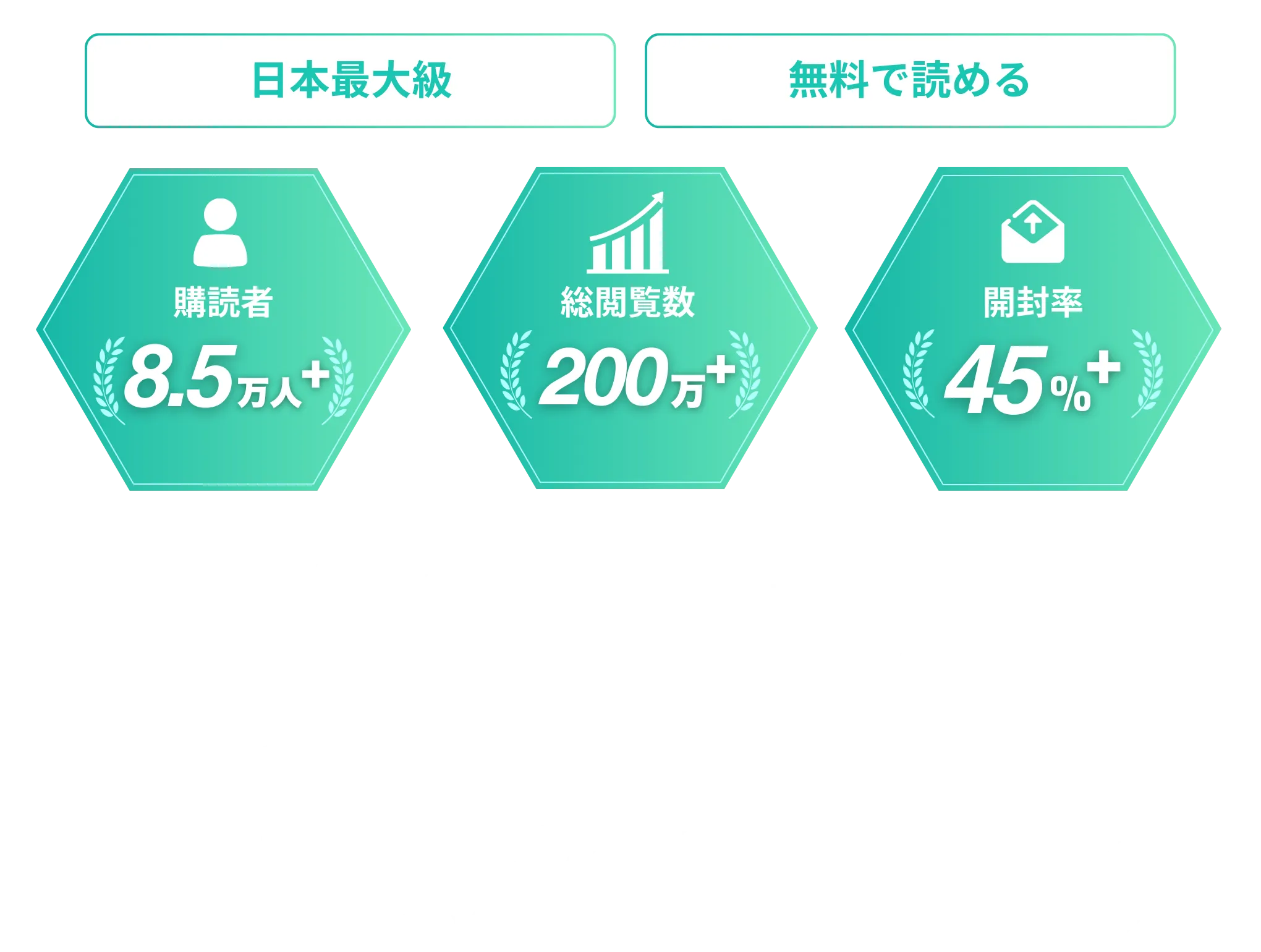
NoLang is one of Japan’s largest AI video generation services: enter text, a PDF or PPTX document, or the URL of a web page, and it generates a video in as little as a few seconds. Since its release in July 2024, registered users have passed 150,000, and more than 60 companies have adopted it as of December 2025.
As Japanese companies expand globally, customer support for overseas customers faces serious problems on top of the language barrier: lost opportunities caused by time-zone delays in responding, and uneven service quality caused by differences in individual staff skills. Even for a company that wants to offer the same attentive support it gives Japanese customers, staffing multilingual specialists around the clock is extremely difficult in terms of both cost and recruiting.
This NoLang update addresses those problems with video. NoLang can now generate multilingual videos in all 18 languages1 directly from Japanese text or documents, and it can also take a single finished video and convert it into another language instantly at the press of a button. With nothing more than a Japanese help page or a manual in PDF form, a company can produce native-level explainer videos for its target countries — English, Chinese (Simplified and Traditional), Spanish and more — in a matter of minutes.
Because a video is available at any hour, customers in distant time zones can resolve their questions immediately instead of waiting for a reply, which prevents lost opportunities and reduces the number of inquiries by encouraging self-service. A video also delivers one consistent company explanation to users in every country, which removes the quality gaps that come from a staff member’s language ability or product knowledge and protects trust in the brand and the company. In addition, answers to frequently asked questions can be automated with video as a first line of response, leaving staff to handle only the complex cases that video does not resolve — so even a small team can maintain high-quality global support.
Practical use cases and their impact
1. Cutting support workload with multilingual FAQ videos
Complex questions from overseas users — “I don’t understand how to operate the admin screen,” “I want to know how to clear this error” — often turn into long exchanges of text emails and screenshots. With NoLang, simply loading the URL of an existing FAQ page or an operation manual in PDF form produces a video in which an AI avatar walks through the procedure while showing the actual screen. Setting a suitable length in the video settings — one minute, for example — also makes it possible to produce a short video that covers only the key points for busy users. Video solves the cases where text alone does not get the message across, which greatly reduces the effort of supporting overseas customers. That in turn lowers the total number of inquiries requiring a human response and substantially compresses customer support labor costs.
2. Preventing churn by automating onboarding videos
Delivering the value of a service to new overseas customers as quickly as possible requires attentive onboarding in their own language. For a feature-rich B2B SaaS product, for instance, it is common for overseas users to churn because the initial setup is complicated and they give up before they start using the product. With NoLang, uploading an existing initial setup manual in PDF form immediately generates a tutorial video in which an AI avatar displays the actual screens and explains which button to press and how to configure each step. NoLang makes it easy to turn Japanese service documents into a tutorial video narrated by an approachable avatar. The finished video can then be converted with one click into the language of the target country — English, Vietnamese, Thai, Indonesian and others — so creating a familiar Japanese video is enough to obtain versions in other languages. The dictionary feature lets users register the correct pronunciation of product names and technical terms, so the resulting guide videos are reliable and free of misreadings. This prevents users from stumbling at initial setup and supports a smooth start, lowering the early churn rate, raising customer engagement and helping maximize lifetime value.
3. Turning new features and updates into video to build awareness and drive upsells
News about new features and updates that is sent only as text emails or notifications is easily overlooked by overseas users who speak another language. Entering the text of development documentation or release notes into NoLang produces a short video that conveys what makes the new feature attractive. Embedding that video in a newsletter or an in-product pop-up captures attention visually. Deeper understanding of new features then encourages users to purchase optional features or upgrade to a higher plan. Customer support becomes a new channel that contributes not only to handling inquiries but also to increasing revenue per customer.
What comes next
Mavericks, Inc. plans to strengthen the multilingual capability of NoLang further, aiming to support less widely used languages and to improve expression that takes each country’s cultural context into account. The company also plans to deepen integration with chatbots and CRM tools to drive full automation of customer support work. By using technology to remove the language barrier, Mavericks will continue to develop NoLang as infrastructure for global business, so that the excellent products and services of Japanese companies reach users worldwide accurately and smoothly.
Try NoLang for yourselfFootnotes
-
Supported languages: English / Korean / Chinese (Simplified and Traditional) / Filipino / Vietnamese / Indonesian / Thai / Nepali / Hindi / Bengali / Spanish / French / Portuguese / Italian / German / Russian ↩